South Korea in Winter Beyond Skiing: Experiences That Make the Trip Special
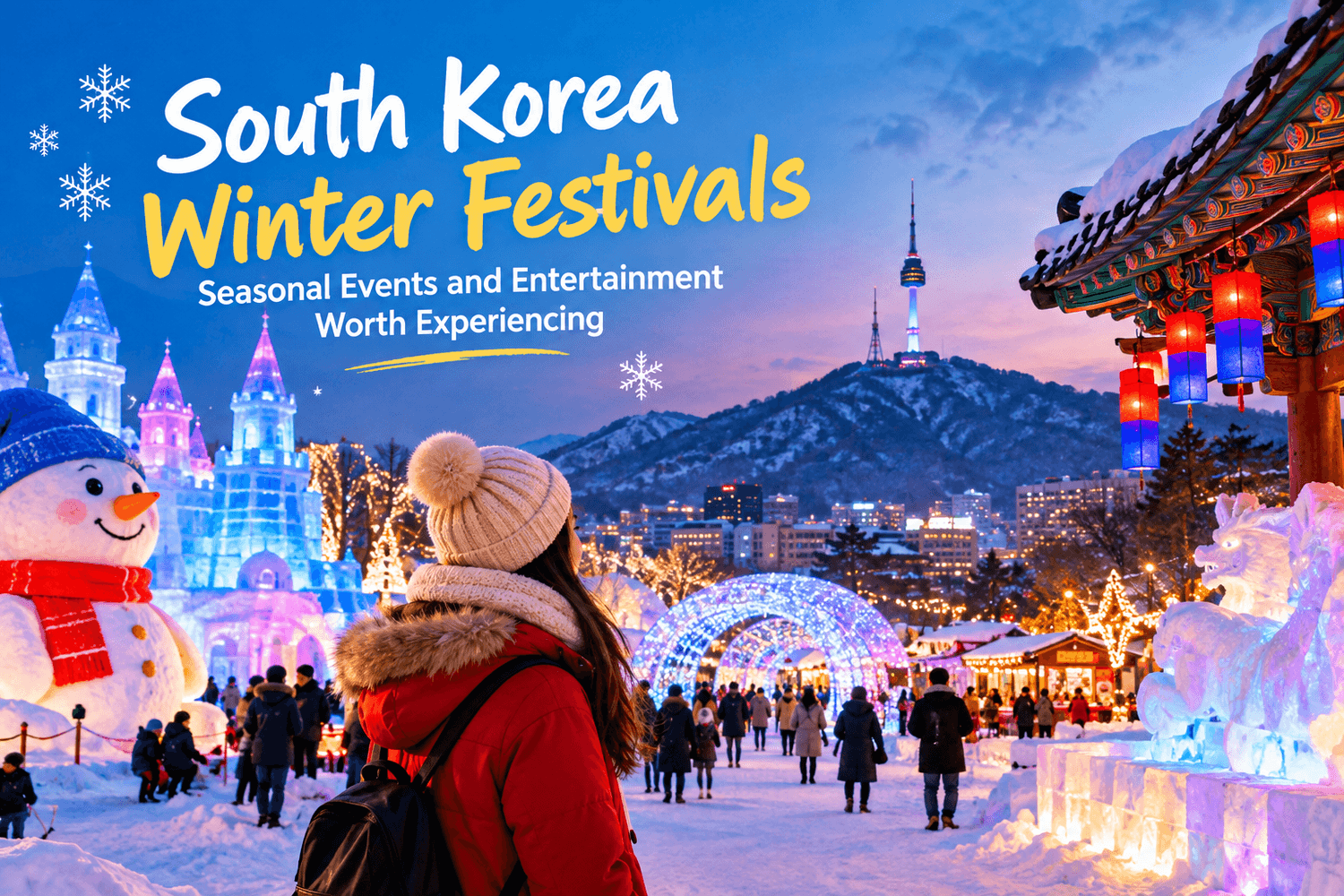
When people think about winter in South Korea, skiing and snowy mountains often come to mind first. But you do not need to put on ski boots to enjoy the Korean winter.
From warm Korean food and traditional bathhouses to cozy cafés, cultural experiences, scenic day trips and lively markets, winter can actually be one of the most interesting times to explore the country.
If skiing is not your thing, here are some experiences worth adding to your South Korea itinerary.
Warm Up With Korean Comfort Food
Cold weather and Korean food are a perfect combination.
Winter is a great time to explore dishes that are served hot and are designed to warm you up. A steaming bowl of soup, spicy tteokbokki, Korean barbecue or hotpot can become part of the travel experience itself.
Instead of simply choosing restaurants near your hotel, consider joining a Korean food tour or cooking experience.
You get to discover local flavors while also learning more about Korean food culture.
Spend a Few Hours in a Jjimjilbang
A jjimjilbang is a traditional Korean-style bathhouse and sauna experience.
For travelers dealing with cold winter temperatures, it can be a relaxing way to slow down after a day of exploring.
Many facilities offer different sauna rooms and relaxation areas, creating an experience that is quite different from a typical Western spa.
If you want to understand a little more about everyday Korean culture, this can be an interesting addition to your itinerary.
Discover Seoul Through Its Cafés
Seoul's café culture is almost an attraction in itself.
During winter, cafés become especially appealing places to escape the cold. You can find everything from minimalist coffee shops to beautifully designed themed cafés.
Rather than rushing from one landmark to another, leave an hour or two free for a café stop.
A warm drink, Korean dessert and a quiet window seat can give you a completely different perspective on the city.
Explore Traditional Neighborhoods at Your Own Pace
Winter can be a beautiful time to explore Korea's traditional architecture.
Areas with hanok houses, narrow streets and traditional shops can feel especially atmospheric when the weather is cold.
You do not necessarily need a packed schedule here. Take your time, photograph the architecture and stop at a tea house or café when you need a break.
The slower pace can be one of the most enjoyable parts of a winter trip.
Take a Day Trip for a Change of Scenery
If you are staying in Seoul for several days, consider spending one day outside the capital.
South Korea has plenty of destinations that can be reached as day trips, offering a change from the busy city environment.
Depending on the season and conditions, you can look for:
Snowy landscapes
Traditional villages
Scenic rail journeys
Coastal destinations
Mountain viewpoints
Cultural attractions
Countryside experiences
A day trip can make your winter holiday feel much broader without requiring a completely separate vacation.
Walk Through a Korean Market
Markets are one of the easiest ways to experience everyday Korean life.
Winter evenings are particularly enjoyable because food stalls, lights and busy streets create a warm atmosphere despite the cold weather.
Try different snacks instead of having one large meal. This lets you experience more flavors and makes the walk itself part of the adventure.
For first-time visitors, a guided food or market experience can also make it easier to understand what to try.
Try a Traditional Korean Cultural Experience
A winter trip does not have to be entirely about sightseeing.
You can look for experiences such as Korean cooking, traditional crafts, tea ceremonies, cultural workshops or opportunities to learn about Korean customs.
These activities are usually more personal than simply taking photographs at a landmark.
They can also work well on days when the weather is too cold for a long outdoor itinerary.
Enjoy Korea's Winter Scenery Without Skiing
You can still experience snow without visiting a ski resort.
Snow-covered parks, mountain areas, countryside destinations and traditional neighborhoods can provide beautiful winter scenery.
For photographers, early morning can be particularly rewarding because quieter streets and fresh snow can create a completely different atmosphere.
Just remember that winter conditions can affect transportation, so check the weather before planning outdoor excursions.
Make Shopping Part of the Experience
Winter is also a good time for exploring Korea's shopping districts.
You can combine shopping with food, cafés and indoor entertainment, making it a practical option when temperatures fall.
Beauty products, fashion, Korean snacks and character merchandise are among the things travelers often look for.
The advantage is that you can easily move between indoor and outdoor spaces without spending hours in the cold.
Build a Winter Day Without a Ski Resort
A simple winter day in South Korea could look like this:
Morning: Traditional neighborhood or cultural activity
Lunch: Korean comfort food
Afternoon: Café and indoor experience
Evening: Market or shopping district
Night: Jjimjilbang or relaxed dinner
There is no skiing involved—and you still get a full Korean winter experience.
What Should You Book Ahead?
Not every winter activity requires advance planning.
However, booking ahead can be useful for:
Guided food tours
Cooking classes
Cultural workshops
Day trips
Scenic experiences
Popular indoor attractions
Special seasonal activities
Klook can be useful for comparing available South Korea activities and experiences before your trip.
Winter Korea Is Bigger Than Skiing
Skiing can certainly be part of a Korean winter holiday, but it is far from the only option.
The real charm of the season can be found in smaller moments: warming up with Korean food, sitting inside a beautiful café, exploring traditional streets, relaxing in a jjimjilbang or discovering a new destination outside Seoul.
If you plan your itinerary around experiences rather than a single winter sport, South Korea can offer a much richer and more flexible holiday.
Sometimes, the best winter trip is the one where you never have to step onto a ski slope at all.
South Korea Winter Festivals: Seasonal Events and Entertainment Worth Experiencing
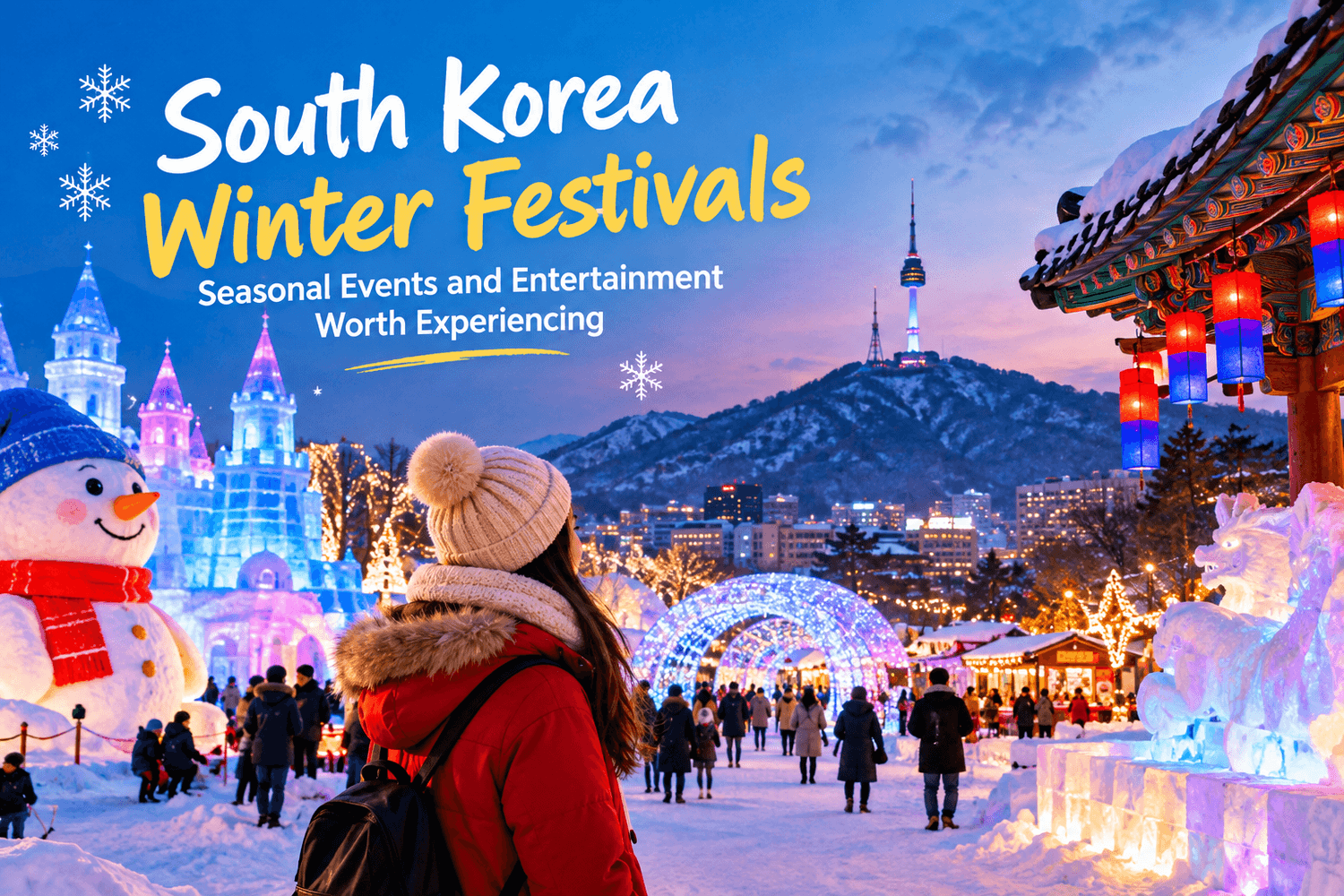
Winter in South Korea is more than cold weather and snowy landscapes. Across the country, winter brings colorful festivals, illuminated streets, seasonal markets and cultural events that give travelers a different way to experience Korea.
If you are planning a winter trip, adding a seasonal festival to your itinerary can turn an ordinary sightseeing day into something much more memorable.
Winter Begins With Lights
One of the most enjoyable parts of Korean winter is the abundance of illuminated spaces.
Cities and tourist areas often become brighter after sunset, with decorative lights, themed displays and seasonal installations creating a completely different atmosphere.
These places are ideal for an evening outing, especially when you want something relaxed after a busy day of sightseeing.
Chase Snow at a Winter Festival
For travelers hoping to experience real Korean winter, snow festivals can be a highlight.
Depending on the location and season, winter events may include snow sculptures, ice displays, sledding areas and outdoor activities.
These experiences are particularly attractive for international visitors who do not regularly experience snowy winters at home.
Before traveling to a specific festival, always check the latest event dates because seasonal schedules can change.
Feel the Energy of Seoul in Winter
Seoul remains lively even when temperatures fall.
Winter events around the capital can combine lights, entertainment, food and cultural activities, making them easy to include in a city itinerary.
Instead of spending every day visiting traditional attractions, reserve one evening for a seasonal event and experience Seoul from a more festive perspective.
Visit a Korean Winter Market
Seasonal markets can be another enjoyable way to experience winter in South Korea.
You may find warm Korean snacks, drinks, small gifts and local products while exploring an atmosphere that feels very different from a regular shopping mall.
For food lovers, this is also an opportunity to try winter-friendly Korean dishes and street foods.
A warm bowl of Korean food after walking through a chilly evening market can easily become one of the simple highlights of your trip.
Explore Korea Beyond Seoul
Some of the most interesting winter experiences are outside the capital.
If your itinerary allows, consider adding another destination to your South Korea trip. Different regions can offer their own combination of winter scenery, festivals, cultural attractions and outdoor activities.
This is particularly useful if you have several days available and want to see a side of Korea that feels less urban.
Winter Festivals Can Be Great for Families
Seasonal festivals are not only for couples or young travelers.
Families can enjoy many winter events because they combine visual attractions with simple activities that appeal to different ages.
Depending on the event, children may enjoy:
Snow and ice displays
Sledding
Light installations
Seasonal food
Interactive activities
Outdoor entertainment
Parents should check weather conditions and dress children appropriately because some festival activities can involve long periods outdoors.
Make Korean Culture Part of the Experience
Winter festivals can also be an opportunity to discover Korean traditions.
Look for events that include cultural performances, traditional food, crafts or local celebrations.
These experiences can provide a useful balance to modern Seoul attractions and give your trip a stronger sense of place.
Rather than simply taking photographs, try to participate in an activity or performance when possible.
Evening Is Often the Best Time
Many winter events become more impressive after sunset.
Lights are brighter, decorations stand out and the colder weather can actually add to the seasonal atmosphere.
A useful strategy is to visit an indoor attraction during the afternoon and then head to a festival or illuminated area in the evening.
That way, you can enjoy the winter atmosphere without spending the entire day outdoors.
Check Dates Before You Travel
Winter festivals are seasonal by nature.
Unlike permanent attractions, their operating dates, opening hours and activities can change from one season to another.
Before booking, check:
Official event dates
Opening hours
Location and transportation
Ticket requirements
Weather conditions
Whether advance booking is available
For ticketed attractions and experiences, Klook can also be useful for checking available activities before your trip.
Create Your Own Winter Festival Day
A festival does not need to take up your entire itinerary.
You could plan a simple day like this:
Morning: Explore a local neighborhood or cultural attraction
Afternoon: Enjoy an indoor experience and Korean food
Evening: Visit a winter festival or illuminated event
Night: Relax at a café or explore the surrounding area
This approach keeps the day comfortable while still giving you a memorable seasonal experience.
The Magic of Korea in Winter
South Korea's winter season has its own personality.
The lights, food, snow, entertainment and seasonal celebrations create experiences that you cannot fully reproduce during another time of year.
Whether you choose a snow festival, a colorful winter market, an illuminated evening event or a cultural celebration, adding one seasonal experience to your itinerary can make your Korean winter journey feel much more special.
And sometimes, the most memorable travel moments are not the famous landmarks—they are the unexpected winter experiences you discover along the way.
Seoul’s Winter Thrills: Theme Parks, Family Fun and Experiences Worth Booking
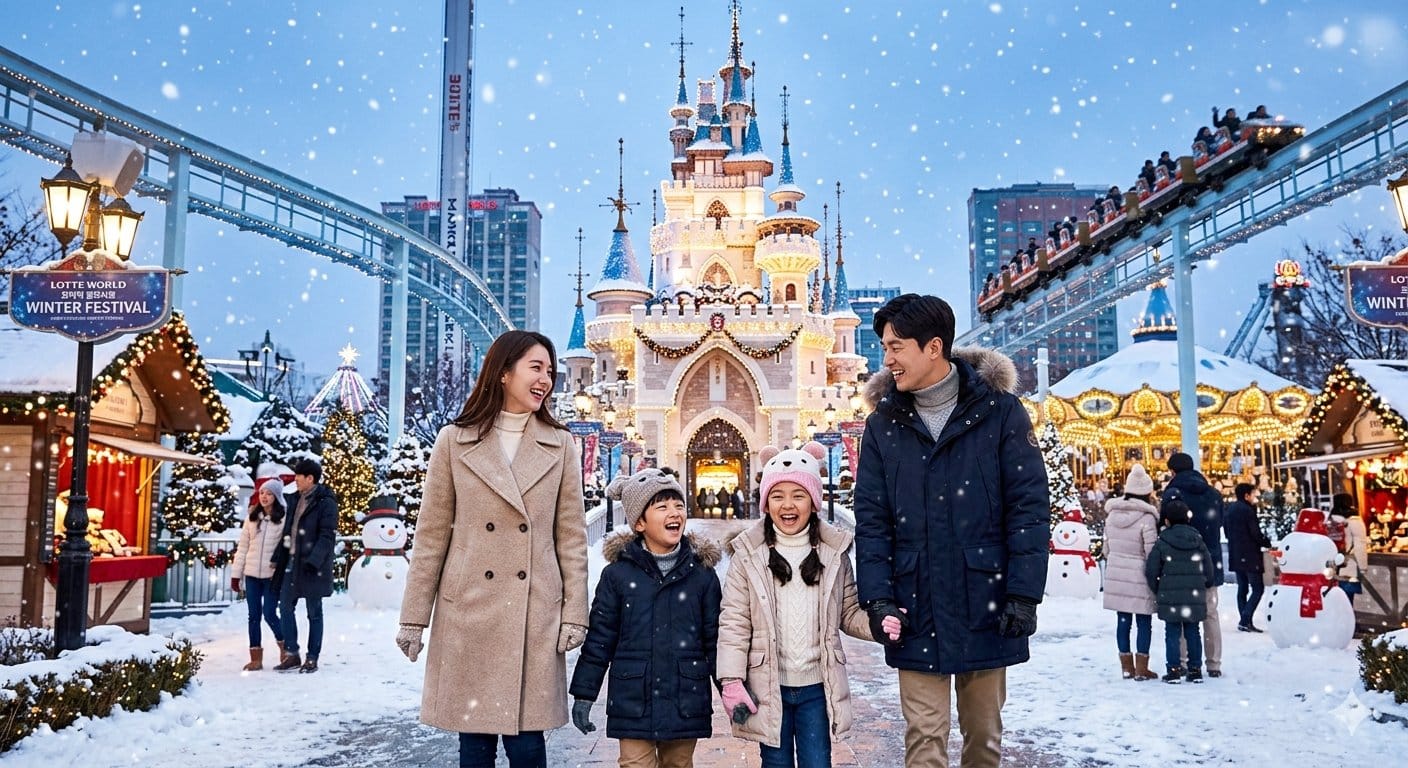
Seoul in winter is not only about sightseeing, shopping or Korean food. For travelers who enjoy rides, entertainment and family-friendly activities, the city also offers plenty of exciting ways to spend a winter day.
From large-scale theme parks to indoor entertainment and seasonal experiences, Seoul can be surprisingly fun when the temperature drops.
If you are visiting South Korea with children, friends or family, adding one entertainment-focused day can give your trip a completely different feel.
Start With a Day of Big Attractions
A winter holiday is a great opportunity to dedicate an entire day to entertainment rather than moving between several sightseeing spots.
Theme parks are especially convenient because one location can provide rides, food, shows, seasonal decorations and activities for different age groups.
Before choosing where to go, think about the type of experience your group prefers:
Thrilling rides
Family attractions
Character-themed experiences
Indoor entertainment
Seasonal events
Photography and decorations
This makes it easier to choose an attraction everyone will enjoy.
Lotte World: A Winter-Friendly Choice
Lotte World is one of the most recognizable entertainment destinations in Seoul.
One of its biggest advantages for winter travelers is the combination of indoor and outdoor areas. This means you can enjoy rides and entertainment without spending the entire day exposed to freezing temperatures.
For families, it can be especially convenient because younger visitors can find attractions suited to different age groups.
The indoor environment also makes Lotte World an option worth considering when the weather outside is particularly cold.
Everland for a Full-Day Adventure
If your group prefers a larger outdoor theme-park experience, Everland can be another interesting choice.
The park combines rides, themed areas, seasonal decorations, entertainment and family activities.
Winter can create a different atmosphere compared with the warmer months, especially when seasonal decorations and events are taking place.
Because Everland is designed as a full-day destination, it is better to plan your visit rather than trying to squeeze it between several other Seoul attractions.
Winter Is Also a Good Time for Indoor Fun
Not every winter activity needs to involve snow or outdoor scenery.
Seoul has a huge indoor entertainment culture, making it easier to build a comfortable itinerary during cold weather.
You can look for:
Interactive attractions
Digital experiences
Indoor amusement areas
Character-themed activities
Family entertainment centers
Immersive exhibitions
These are particularly useful for families traveling with young children or anyone who finds Seoul's winter temperatures uncomfortable.
Add a Little Korean Pop Culture
Theme parks are not the only way to make a Seoul winter trip exciting.
Korean pop culture can also become part of your entertainment itinerary. Depending on availability, travelers may find K-pop-related activities, interactive experiences and themed attractions that bring modern Korean culture closer to the visitor.
For teenagers and younger travelers especially, this can be one of the most memorable parts of a Seoul trip.
Plan a Family-Friendly Food Break
A full day of entertainment can work up an appetite.
Instead of treating food as an afterthought, make it part of your plan. Korean snacks, street food and warm meals are perfect companions for a winter day.
Families can also look for food experiences where they can learn about Korean dishes rather than simply ordering a meal.
This creates a nice balance between entertainment and cultural discovery.
When Should You Visit?
Winter weekends and holiday periods can be noticeably busier at major attractions.
If your schedule allows, a weekday visit may provide a more relaxed experience.
For popular theme parks and ticketed activities, checking schedules and availability before leaving your hotel can also save time.
If you are traveling with children, arriving earlier can be useful because you will have more time to explore the attractions without rushing.
Build a Simple Winter Entertainment Day
You do not need an overloaded itinerary.
A practical schedule could look like this:
Morning: Theme park or major entertainment attraction
Afternoon: Rides, shows and family activities
Early evening: Korean meal or food experience
Night: Indoor entertainment or a relaxed city walk
This gives you enough flexibility while still making the day feel full.
What to Book in Advance
For a winter entertainment day in Seoul, advance booking can be useful for:
Theme park admission
Popular rides or experiences
Family attractions
Special seasonal events
K-pop activities
Food experiences
Klook can be useful for checking available Seoul attractions and activities before your trip, especially when you want to organize several experiences in advance.
Make One Day About Having Fun
Seoul has plenty of historical and cultural attractions, but your winter trip does not have to be serious every day.
A theme park day, an indoor attraction or a family entertainment experience can give everyone a chance to relax and simply have fun.
That balance is what can make a Seoul winter holiday feel complete—some culture, some food, some exploration and, most importantly, a few experiences everyone remembers.
When Seoul Lights Up: Winter Shows, Experiences and After-Dark Activities
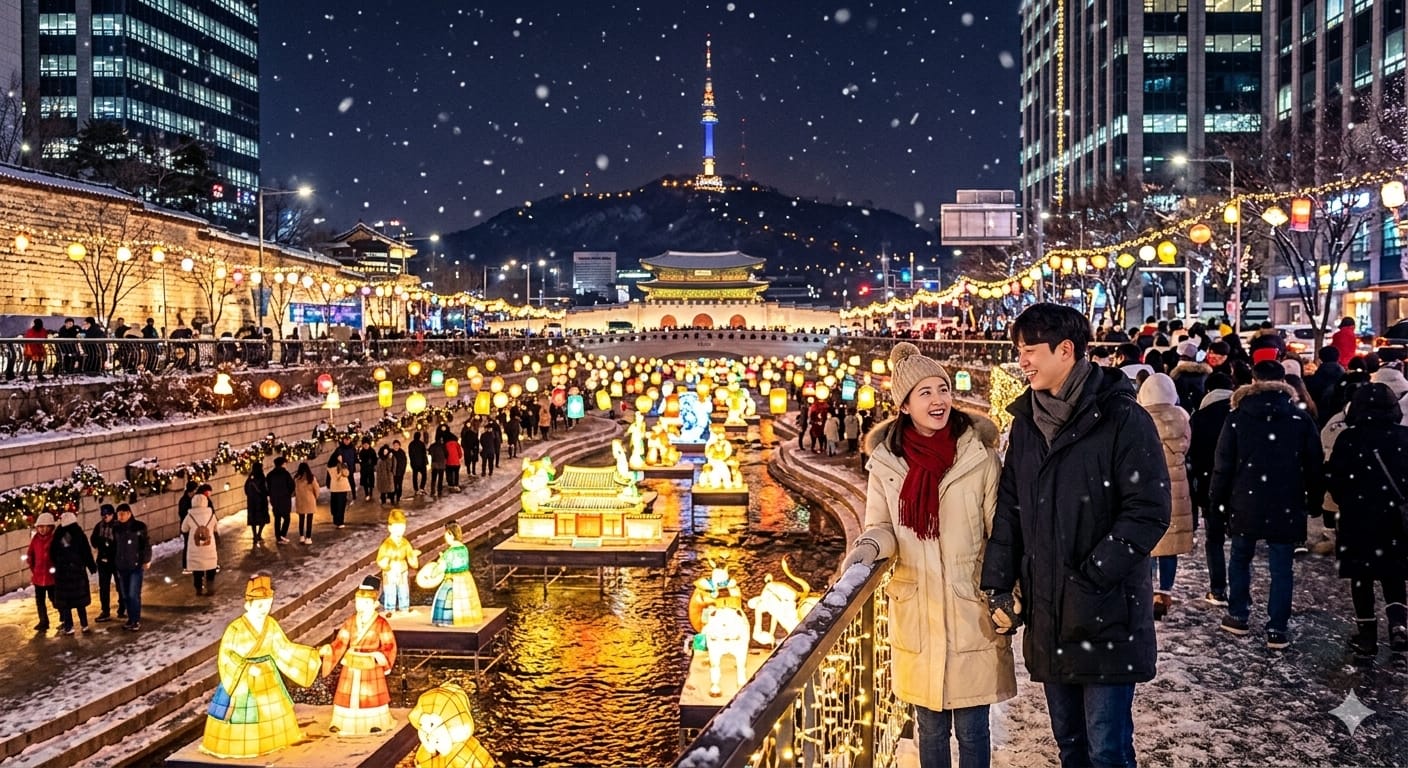
Winter gives Seoul a different kind of energy. The cold weather may make you want to stay indoors, but once the sun goes down, the city becomes even more exciting.
From Korean performances and K-pop experiences to immersive attractions, indoor entertainment and lively evening activities, there are plenty of ways to enjoy Seoul during winter.
If you are planning a winter trip and want more than traditional sightseeing, these experiences can make your Seoul itinerary much more memorable.
Seoul After Dark Feels Completely Different
One of the best things about Seoul is that the city does not slow down when evening arrives.
Shopping streets become brighter, entertainment districts become busier, and restaurants, cafés and cultural venues stay active late into the night.
For winter travelers, this is especially useful because you can spend the colder afternoon hours enjoying indoor activities and then explore Seoul after dark.
Experience the Energy of K-Pop
K-pop is one of the biggest reasons travelers become interested in South Korea.
Seoul offers opportunities to experience Korean pop culture beyond simply listening to music. Depending on availability, travelers can find K-pop-related attractions, interactive experiences, performances and themed activities.
For fans, adding one dedicated K-pop experience to a winter itinerary can make the trip feel much more connected to modern Korean culture.
Watch a Korean Performance
You do not have to understand Korean to enjoy a live performance.
Seoul is known for entertaining shows that combine music, comedy, dance and impressive visual performances. Some productions are designed specifically for international visitors and rely heavily on physical performance rather than complicated dialogue.
This makes a live show an excellent winter evening activity.
Tip: Check performance schedules before your trip because popular shows can have limited dates and seating.
Find Entertainment Away from the Cold
Winter is a great time to explore Seoul's indoor entertainment scene.
Instead of spending hours outside in freezing temperatures, you can combine indoor attractions with cafés, shopping and entertainment venues.
Good options can include:
Immersive digital experiences
Interactive exhibitions
Indoor attractions
Cultural performances
Korean cooking activities
K-pop experiences
Themed entertainment venues
This type of itinerary works particularly well for families and travelers who do not enjoy spending long periods outdoors in winter.
Make Korean Food Part of the Entertainment
Food can be an activity, not just a meal.
Winter is a particularly enjoyable season for exploring Korean cuisine because warm dishes such as Korean barbecue, hotpot, tteokbokki and traditional soups are perfect for cold evenings.
You can also look for Korean cooking classes or food experiences where you learn about local ingredients and prepare traditional dishes yourself.
That gives your trip a more memorable cultural element than simply eating at a restaurant.
Spend an Evening in Myeongdong
Myeongdong is one of Seoul's most recognizable entertainment and shopping areas.
During winter evenings, the streets become bright and energetic. You can combine shopping with Korean street food, cafés and casual entertainment.
Rather than treating Myeongdong as only a shopping destination, consider making it part of an evening itinerary.
Start with an activity or experience, have dinner nearby and finish the evening exploring the illuminated streets.
Explore Seoul's Modern Entertainment Culture
Seoul is constantly mixing technology with entertainment.
Interactive exhibitions, digital art spaces and immersive attractions can be particularly appealing during winter because they provide a warm indoor environment while still giving you something visually exciting to experience.
These attractions are also useful when traveling with children, couples or friends who want something different from traditional museums and historical landmarks.
Turn One Evening Into a Complete Experience
A good Seoul winter evening does not need to involve visiting five different places.
A simple plan can be much better:
Late afternoon → Indoor experience → Korean dinner → Live show → Evening walk
For example, you could spend the afternoon at an immersive attraction, enjoy Korean food afterward and finish the night with a performance.
This gives you entertainment, food and culture without spending too much time outside in the cold.
What Is Worth Booking Before Your Seoul Trip?
Some Seoul experiences are easy to enjoy spontaneously, but popular shows and ticketed attractions can become busy during holidays and weekends.
Consider booking ahead when you are planning:
Popular performances
K-pop experiences
Immersive attractions
Cooking classes
Guided food experiences
Special entertainment events
Klook can be useful for comparing available Seoul activities and checking tickets before you arrive.
A Winter Night in Seoul Should Be More Than Sightseeing
Seoul is not just about palaces, viewpoints and famous landmarks.
Its entertainment culture is a major part of the city experience. During winter, indoor activities, Korean performances, food experiences and after-dark entertainment can make your trip more comfortable and more exciting.
The best Seoul itinerary is often a mixture of sightseeing during the day and entertainment at night.
And when the city lights come on, Seoul gives you plenty of reasons to stay out a little longer.
Seoul in Winter: Attractions, Experiences and Places Worth Booking
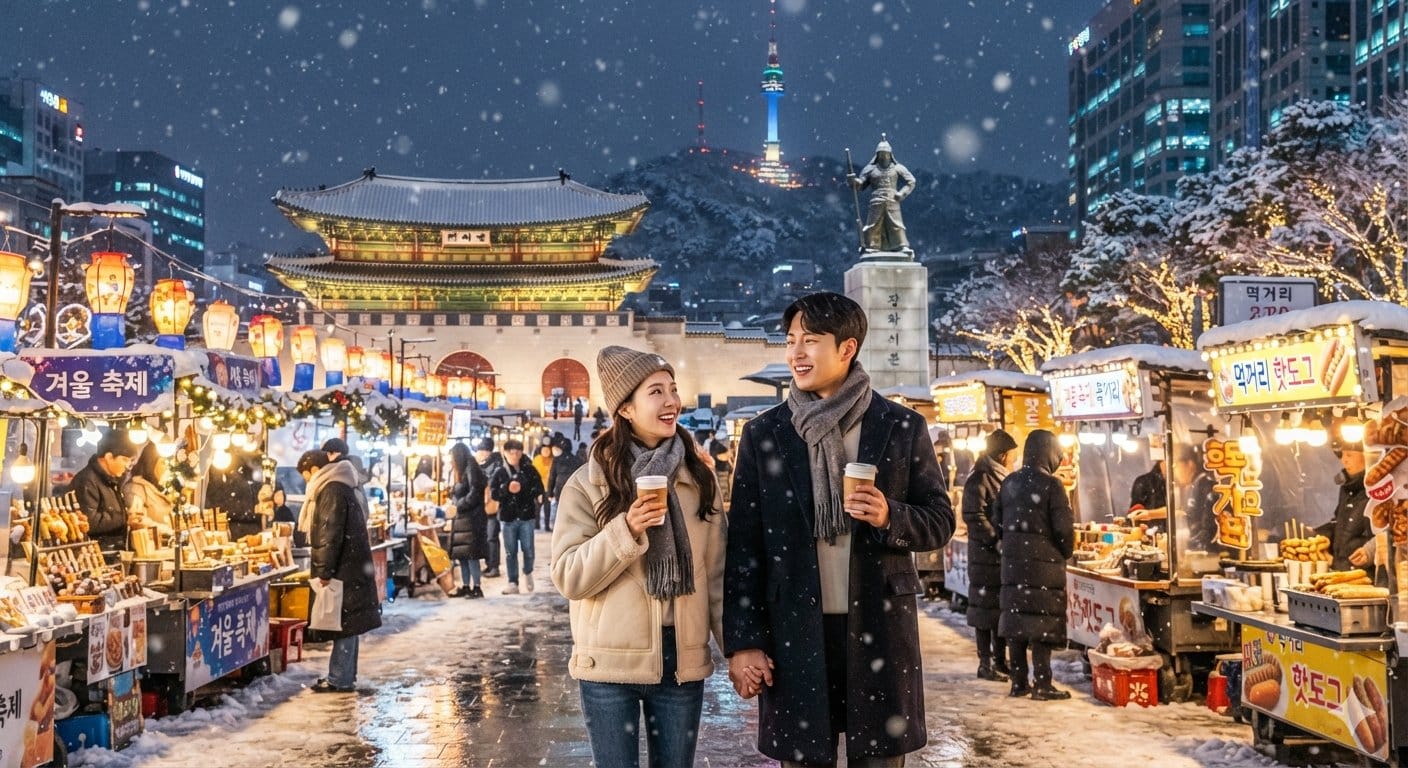
Seoul feels different when winter arrives.
The city becomes a mix of crisp mountain air, traditional Korean architecture, glowing streets, modern shopping districts and warm food experiences. For travelers, this creates an opportunity to experience both the historic and contemporary sides of the Korean capital in one trip.
Instead of trying to visit every famous landmark, a better winter itinerary combines a few memorable attractions with cultural experiences, food and indoor activities.
Why Winter Is a Different Time to See Seoul
Cold weather changes the way you experience the city.
Traditional neighborhoods can look especially atmospheric in winter, while Seoul's cafés, shopping centers and entertainment venues provide comfortable places to escape the cold.
The shorter daylight hours can also work in your favor. You can explore historic attractions during the day and then experience Seoul's illuminated streets after sunset.
Start with the Seoul That History Preserved
A visit to Seoul isn't complete without seeing its royal heritage.
Gyeongbokgung Palace is one of the most recognizable landmarks in the city. Its traditional architecture provides a striking contrast to the modern buildings surrounding it.
Nearby Bukchon Hanok Village offers another perspective, with traditional Korean homes lining narrow streets.
These areas work particularly well together because you can experience Seoul's historic character without spending an entire day traveling between distant attractions.
See the City from a Completely Different Angle
After exploring Seoul at street level, head somewhere higher.
N Seoul Tower provides wide views across the capital and can be especially impressive toward sunset. Watching the city transition from daylight to thousands of evening lights creates a memorable winter experience.
Another option is Seoul Sky, where visitors can experience panoramic views from one of Seoul's most recognizable modern landmarks.
A city-view experience is also a useful way to break up a day filled with walking.
Let Myeongdong Bring You Back to Modern Seoul
From palaces and traditional houses, move into the energetic atmosphere of Myeongdong.
This popular district combines shopping, Korean beauty stores, restaurants, cafés and street food. Because many businesses are indoors, it can also be a practical stop during a cold winter afternoon.
Rather than visiting only to shop, use Myeongdong as a transition between daytime sightseeing and an evening food or entertainment experience.
Find an Indoor Escape at COEX
Not every winter experience needs to happen outdoors.
COEX offers shopping, dining and entertainment in a large indoor environment, making it useful when the weather becomes particularly cold.
One of its most recognizable attractions is Starfield Library, known for its enormous bookshelves and striking interior.
It can be a relaxed addition to a Seoul itinerary when you want to slow down after visiting outdoor attractions.
Make Korean Food Part of the Journey
Food is one of the easiest ways to experience Seoul beyond its landmarks.
A winter trip is a good opportunity to explore Korean barbecue, street food, traditional dishes and warm local meals.
Instead of simply choosing a restaurant near your hotel, consider a guided food experience. It can introduce you to local dishes while taking you through neighborhoods and food spots that you might otherwise overlook.
Give Your Seoul Trip a Cultural Moment
Modern Seoul gets a lot of attention, but the city's cultural experiences can become some of the most memorable parts of a trip.
Consider adding a Korean cooking class, traditional craft activity or another hands-on cultural experience.
These activities are particularly useful when the weather makes long outdoor sightseeing less comfortable.
When the Sun Goes Down, Seoul Changes
Seoul's evening atmosphere deserves its own place in your itinerary.
After dark, shopping districts, restaurants, cafés and entertainment areas become busy with locals and visitors.
You could finish a palace visit with dinner, follow a city viewpoint with a food experience, or simply walk through an illuminated neighborhood before returning to your hotel.
The important thing is not to treat nighttime as the end of sightseeing. In Seoul, it is often when the city becomes most lively.
Build Your Day Around Experiences, Not Just Places
A comfortable winter itinerary could look like this:
Morning: Gyeongbokgung Palace and nearby historic streets
Afternoon: Bukchon or an indoor cultural experience
Late afternoon: Shopping or COEX
Sunset: N Seoul Tower or Seoul Sky
Evening: Korean food and entertainment
This structure keeps travel time manageable while giving you a mixture of history, culture, views, shopping and food.
What to Book Before You Arrive
Popular attractions, tours and experiences can become busy during weekends and holiday periods.
Klook can be useful for browsing available Seoul tickets, tours and activities before your trip.
For anything you plan to book, check the current operating hours, availability, meeting point, ticket conditions and cancellation policy before confirming.
It's also worth keeping some free time in your schedule. Seoul is a city where an unexpected café, market or side street can become an enjoyable part of the trip.
A Winter Seoul Trip Should Feel Personal
You don't need to visit every attraction to have a great time in Seoul.
Choose a few places that genuinely interest you, combine outdoor sightseeing with indoor experiences and leave room for Korean food and spontaneous exploration.
That balance makes it easier to enjoy Seoul's historic character, modern energy and winter atmosphere without turning the trip into a checklist.
For travelers planning their first Korean winter adventure, Seoul offers enough variety to make every day feel different.
Japan Winter Entertainment Guide: Attractions, Shows and Activities
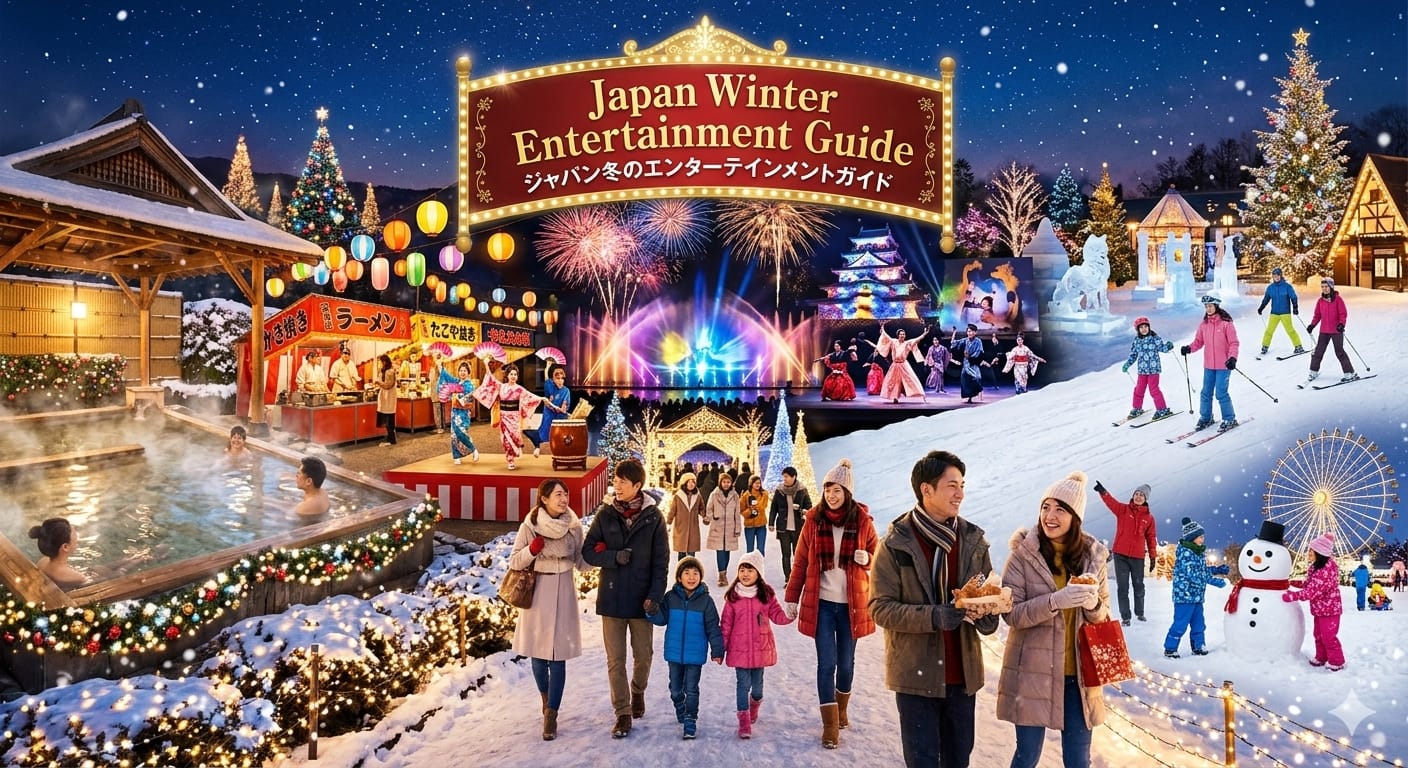
Japan in winter offers much more than snow and cold weather. Across the country, travelers can enjoy theme parks, cultural performances, seasonal events, food experiences, entertainment venues and unique activities that make winter travel memorable.
Whether you're visiting Tokyo, Osaka, Kyoto or another Japanese destination, planning a mix of indoor and outdoor entertainment can help you make the most of your trip.
Here are some of the best ways to enjoy Japan during winter.
1. Enjoy Japan's Major Theme Parks
Theme parks are an easy choice for travelers who want a full day of entertainment.
Tokyo Disneyland, Tokyo DisneySea and Universal Studios Japan offer rides, shows, themed areas and dining experiences. Families can enjoy attractions together, while couples and friends can focus on entertainment and seasonal experiences.
Booking popular theme-park tickets before your trip can also make itinerary planning easier.
2. Discover Japanese Cultural Performances
Japan's entertainment scene isn't limited to modern attractions.
Travelers can experience traditional Japanese performances, cultural shows and local activities that offer a glimpse into the country's history and traditions.
These experiences are especially valuable for first-time visitors who want something beyond standard sightseeing.
3. Take a Japanese Cooking Experience
Food is an important part of Japanese culture, making cooking experiences a fun winter activity.
Visitors can learn how to prepare Japanese dishes and discover ingredients and techniques used in local cuisine.
A cooking class also works well on cold or rainy days because it provides an indoor experience while still allowing travelers to explore Japanese culture.
4. Explore Anime and Pop Culture Experiences
Japan is one of the world's most important destinations for anime, manga and pop culture fans.
Tokyo in particular offers themed stores, exhibitions, entertainment venues and interactive experiences connected with Japanese pop culture.
For fans, adding one or two specialized activities to a winter itinerary can make the trip feel much more personal.
5. Enjoy Japanese Food Tours
A food tour is another excellent way to experience Japan.
Instead of visiting restaurants randomly, a guided experience can introduce travelers to local specialties, hidden food spots and traditional dishes.
Tokyo and Osaka are particularly well known for their food scenes, but excellent culinary experiences can be found throughout Japan.
6. Visit Indoor Entertainment Attractions
Winter weather can sometimes make outdoor sightseeing uncomfortable.
That's why it's useful to keep indoor activities in your travel plan. Digital art experiences, museums, shopping complexes, aquariums and entertainment venues can provide a warm break between outdoor activities.
This is especially useful for families traveling with children.
7. Experience Japan After Dark
Japan's cities take on a different character after sunset.
Tokyo, Osaka and other major destinations offer illuminated streets, restaurants, entertainment districts and evening activities.
You can combine an evening city walk with dinner, a food tour, a cultural performance or a panoramic city-view experience.
8. Take a Winter Day Trip
Winter is also a great season for exploring destinations outside the major cities.
Depending on your location, organized day trips can take you to historic towns, cultural sites, scenic areas or nearby cities.
For travelers with limited time, a guided day trip can be easier than planning every train connection and attraction independently.
9. Enjoy Seasonal Winter Experiences
Japan's winter calendar includes many seasonal experiences.
Depending on the destination and travel dates, visitors may find winter festivals, snow-related activities, seasonal markets and special entertainment programs.
Because seasonal events can change their operating dates, checking the latest information before traveling is important.
10. Combine Entertainment with Relaxation
A good winter itinerary doesn't need to be packed from morning until night.
After a busy day of attractions, consider slowing down with a Japanese spa experience, relaxing meal or quiet cultural activity.
This balance can make a longer winter trip much more enjoyable.
How to Build a Japan Winter Entertainment Itinerary
A simple structure can help you experience different sides of Japan without becoming exhausted.
Morning: Visit a major attraction or cultural site.
Afternoon: Choose an indoor experience, shopping area or food activity.
Evening: Explore entertainment districts, enjoy a show or take a food tour.
Next day: Plan a theme park visit or organized day trip.
This gives you a good balance of sightseeing, entertainment, culture and relaxation.
Booking Japan Winter Experiences
Popular attractions and activities can become busy during weekends, school holidays and peak travel periods.
Platforms such as Klook can help travelers browse selected tickets, tours and experiences before arriving in Japan.
Before booking, check the latest availability, operating hours, meeting location, ticket conditions and cancellation policy.
It's also smart to leave some free time in your itinerary rather than booking every hour of your trip.
Final Thoughts
Japan's winter entertainment is diverse enough for almost every type of traveler.
You can spend one day enjoying a theme park, another exploring Japanese food and culture, and another discovering anime, entertainment or a nearby destination.
The key is to combine different types of experiences instead of focusing on only one category.
Plan the most important activities ahead of time, keep some flexibility in your schedule and enjoy Japan's winter season at your own pace.
Japan Winter Illumination Events and Experiences to Book
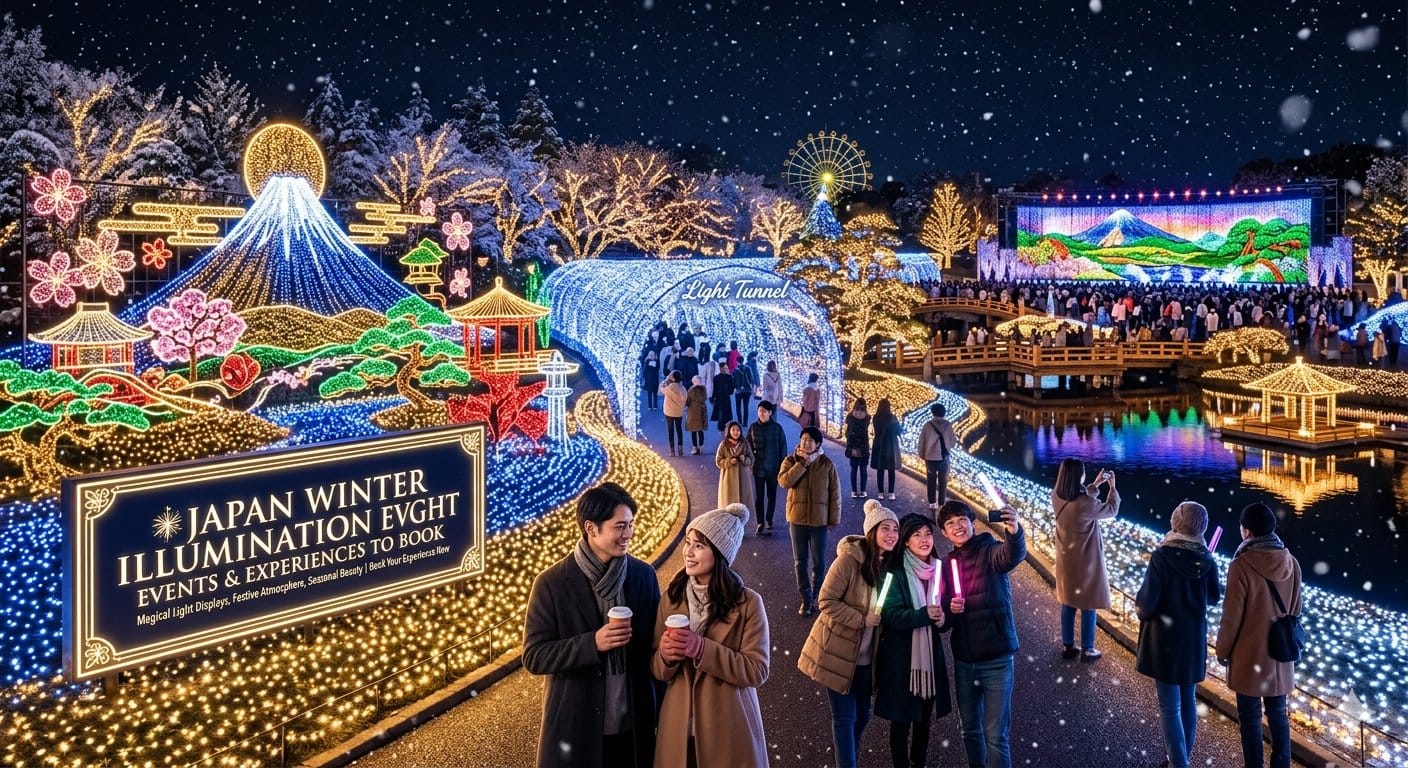
Japan becomes especially beautiful after sunset during winter. Across major cities, parks, shopping districts and entertainment areas, seasonal illumination displays transform ordinary streets into colorful winter attractions.
For travelers visiting Japan during the colder months, winter illuminations are an easy way to add something special to an itinerary. They are also ideal for couples, families and photographers looking for memorable evening experiences.
Here are some of the best ways to enjoy Japan's winter illumination season.
1. Explore Tokyo's Winter Lights
Tokyo is one of the best places to experience winter illuminations.
Major shopping and entertainment districts often decorate their streets with thousands of lights, creating impressive evening scenes. Areas around Marunouchi, Roppongi and other central neighborhoods can be particularly attractive after dark.
You can combine an illumination walk with dinner, shopping or an evening city tour.
2. Visit Tokyo Midtown and Roppongi
Roppongi is well known for its modern skyline, restaurants and entertainment.
During the winter season, illumination displays can create a completely different atmosphere around the area's shopping and public spaces.
This is a convenient option for travelers who want to combine winter lights with restaurants, shopping and city sightseeing.
3. Experience Winter Lights in Osaka
Osaka also offers plenty of opportunities to enjoy seasonal lights.
The city's entertainment districts, shopping areas and public spaces can become especially lively after sunset. Travelers can combine an evening illumination experience with Dotonbori, Namba or a local food tour.
This makes Osaka a great choice for visitors who want both winter scenery and nightlife.
4. Discover Kobe's Famous Light Displays
Kobe is another excellent destination for winter illumination experiences.
The city is known for its beautiful waterfront atmosphere and seasonal light displays. Evening walks can be especially enjoyable when the surrounding streets and landmarks are illuminated.
Kobe can also be visited as part of a wider Kansai itinerary that includes Osaka and Kyoto.
5. Enjoy Winter Lights in Kyoto
Kyoto offers a different style of winter illumination.
Instead of focusing only on large modern displays, some seasonal experiences combine lights with traditional temples, gardens and historic surroundings.
This creates a quieter and more atmospheric experience compared with the busy entertainment districts of Tokyo or Osaka.
6. Visit Winter Illumination Parks
Some illumination experiences are designed as complete evening attractions rather than simple street decorations.
Large parks and entertainment venues may feature illuminated gardens, tunnels of lights, themed displays and seasonal installations.
These are particularly suitable for couples and families who want to spend several hours enjoying a dedicated winter event.
7. Combine Illumination with a Food Experience
One of the easiest ways to make a winter evening more enjoyable is to combine lights with Japanese food.
Start with an evening illumination walk and then visit a local restaurant, food market or guided food experience.
Winter is a great season for warm Japanese dishes, so food and illumination can work naturally together in one evening itinerary.
8. Capture Japan's Winter Lights at Night
Photography lovers will find plenty of opportunities during illumination season.
Tripods may not always be permitted, so a smartphone or handheld camera can often be the easiest option. Arriving around sunset can also give you a chance to capture both the remaining daylight and the illuminated scenery.
For couples and families, evening illumination areas can also provide memorable travel photos.
Best Ways to Plan a Winter Illumination Evening
A little planning can make the experience much easier.
Before sunset: Explore nearby attractions or shopping areas.
Around sunset: Move toward the illumination venue.
After dark: Spend time exploring the light displays and taking photographs.
Later evening: Enjoy dinner or a food experience nearby.
This approach avoids making illumination the only activity of the evening.
Tips for Japan Winter Illuminations
Winter evenings in Japan can become quite cold, especially when you are standing outside for a long time.
Wear warm layers, comfortable shoes and consider carrying gloves or a scarf.
Also check the event's latest schedule before traveling. Some illumination displays operate only during specific periods or hours, and weather conditions can occasionally affect outdoor events.
If an event requires a ticket, booking in advance can be helpful during busy weekends and holiday periods.
Why Book Winter Experiences in Advance?
Popular seasonal experiences can attract large numbers of visitors. Booking ahead can help you organize your itinerary and reduce last-minute searching.
Klook can be useful for finding selected tours, attractions and experiences in Japan before your trip.
Always check the latest availability, operating dates, entry requirements and cancellation conditions before booking.
Final Thoughts
Japan's winter illumination season adds another dimension to an already exciting trip.
Tokyo offers modern city lights, Osaka combines illumination with nightlife and food, while Kyoto and Kobe provide more atmospheric experiences.
Instead of treating winter lights as a quick stop, consider building an entire evening around them. Combine the illumination with sightseeing, Japanese food or entertainment and you'll have a much more memorable winter experience.
For travelers planning a Japan winter trip, these evening experiences are well worth adding to the itinerary.
Best Winter Theme Parks in Japan to Visit
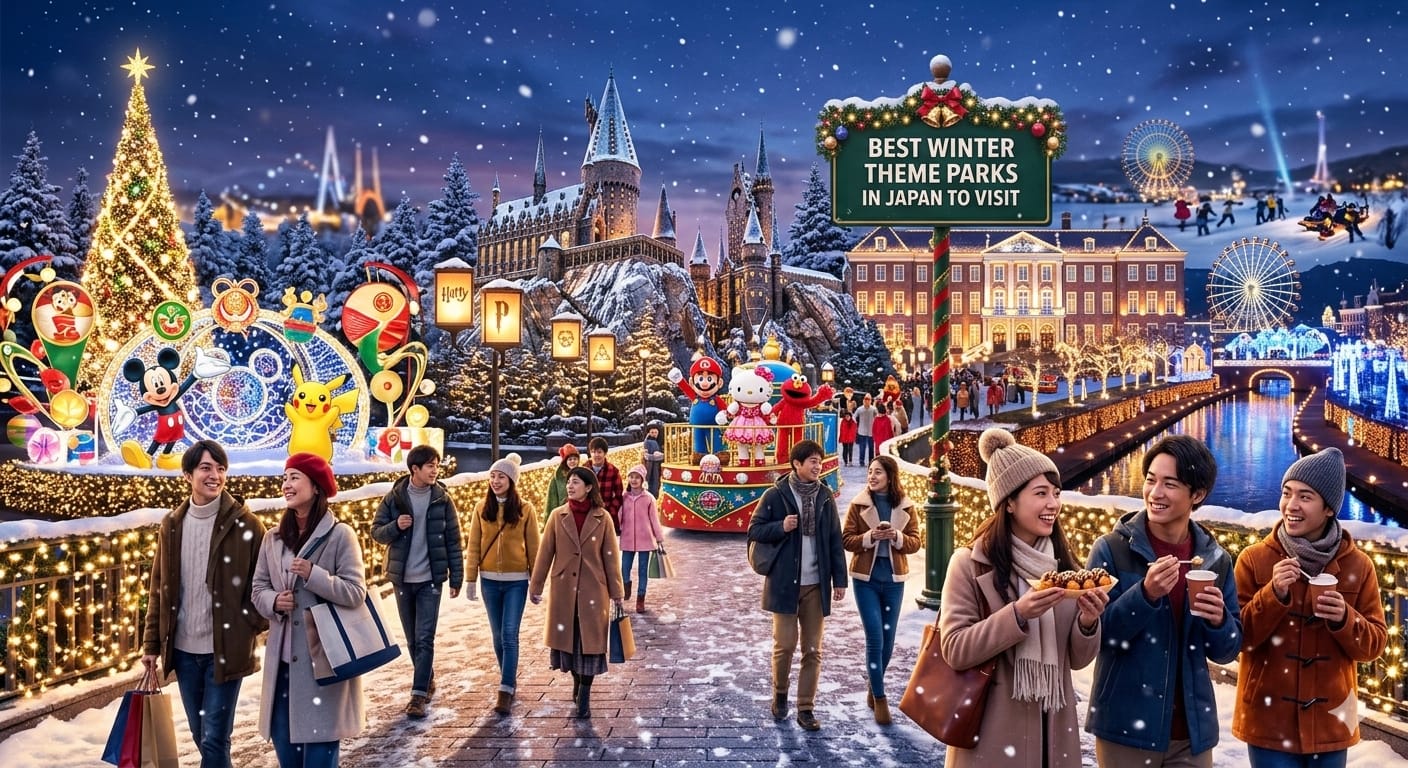
Japan is a fantastic destination for theme-park lovers, and winter can be a particularly enjoyable time to visit. Cooler temperatures, seasonal decorations and winter entertainment create a different atmosphere from the warmer months.
Whether you're traveling with family, as a couple or with friends, Japan has theme parks offering everything from thrilling rides and movie-inspired attractions to immersive Japanese entertainment.
Here are some of the best theme parks to consider for a win
ter trip to Japan.
1. Tokyo Disneyland
Tokyo Disneyland is one of Japan's most popular theme parks and a great choice for travelers looking for classic Disney entertainment.
You can enjoy themed attractions, parades, character experiences, restaurants and shops throughout the park. Winter also brings seasonal decorations and entertainment that can make the visit feel different from a normal sightseeing day.
Families should consider spending most of a full day here rather than trying to combine it with several other attractions.
2. Tokyo DisneySea
For something different, Tokyo DisneySea offers a unique Disney experience with a strong focus on nautical themes and detailed environments.
The park is popular with couples, families and Disney fans who want something beyond a traditional theme park.
Its themed areas, attractions and restaurants can easily fill an entire day, making it worth planning ahead.
3. Universal Studios Japan
Located in Osaka, Universal Studios Japan is one of the country's biggest entertainment destinations.
The park combines major movie and entertainment franchises with exciting rides, shows and themed areas. It is particularly popular among families, groups of friends and travelers who enjoy immersive experiences.
Because the park can be busy, checking ticket options and planning your visit before arrival can save valuable time.
4. Fuji-Q Highland
If you prefer thrilling rides, Fuji-Q Highland near Mount Fuji is worth considering.
The park is known for major roller coasters and dramatic views of Mount Fuji. Winter can provide a completely different visual experience when the surrounding landscape becomes colder and, depending on conditions, snowy.
Weather conditions can affect individual attractions, so visitors should check operating information before going.
5. Sanrio Puroland
Traveling with children or a big Sanrio fan?
Sanrio Puroland offers an indoor theme-park experience centered around characters such as Hello Kitty and other popular Sanrio favorites.
Because much of the experience is indoors, it can be a useful option for a cold or rainy winter day.
6. Legoland Japan Resort
Located in Nagoya, Legoland Japan Resort is another family-friendly option.
The park features LEGO-themed rides, attractions, interactive areas and colorful displays designed especially for younger visitors.
Families visiting central Japan can consider adding it to their itinerary, particularly if they are traveling with children.
7. Hirakata Park
Hirakata Park near Osaka offers a more relaxed alternative to some of Japan's largest theme parks.
It combines amusement rides with seasonal events and family-friendly entertainment. Its smaller scale can make it easier to explore without feeling like you need an entire trip just to cover the park.
How to Choose the Right Japanese Theme Park
The best theme park depends on what you want from your trip.
For Disney fans: Tokyo Disneyland or Tokyo DisneySea.
For movie and franchise entertainment: Universal Studios Japan.
For extreme rides: Fuji-Q Highland.
For younger children: Sanrio Puroland or Legoland Japan Resort.
For a more relaxed family day: Hirakata Park.
Thinking about your travel group before booking can help you choose an experience that everyone will enjoy.
Tips for Visiting Japanese Theme Parks in Winter
Winter visits require a little preparation.
Wear comfortable layers because you may spend several hours outdoors. Comfortable shoes are also important because theme parks involve a lot of walking.
Check attraction schedules, opening times and weather conditions before your visit. For particularly popular parks, consider booking tickets ahead of time rather than waiting until you arrive.
It's also useful to keep some indoor attractions or restaurants in your plan so you can take a warm break during the day.
Why Book Theme Park Tickets in Advance?
Japan's most popular theme parks can become very busy during weekends, holidays and peak travel periods.
Booking tickets and experiences in advance can make your itinerary easier to organize. Platforms such as Klook can also help travelers browse different attractions and ticket options before traveling.
Always check the latest ticket conditions, availability and park rules before confirming your booking.
Final Thoughts
Japan's theme parks offer much more than rides. They combine entertainment, food, technology, characters, seasonal events and immersive environments into experiences that can become some of the most memorable parts of a winter trip.
For first-time visitors, Tokyo Disneyland, Tokyo DisneySea and Universal Studios Japan are obvious choices. Travelers looking for something different can explore Fuji-Q Highland, Sanrio Puroland, Legoland Japan Resort or smaller family-friendly parks.
Choose the park that matches your travel style, book important tickets ahead of time and leave enough time to enjoy the experience without rushing.
Best Winter Things to Do in Osaka with Klook
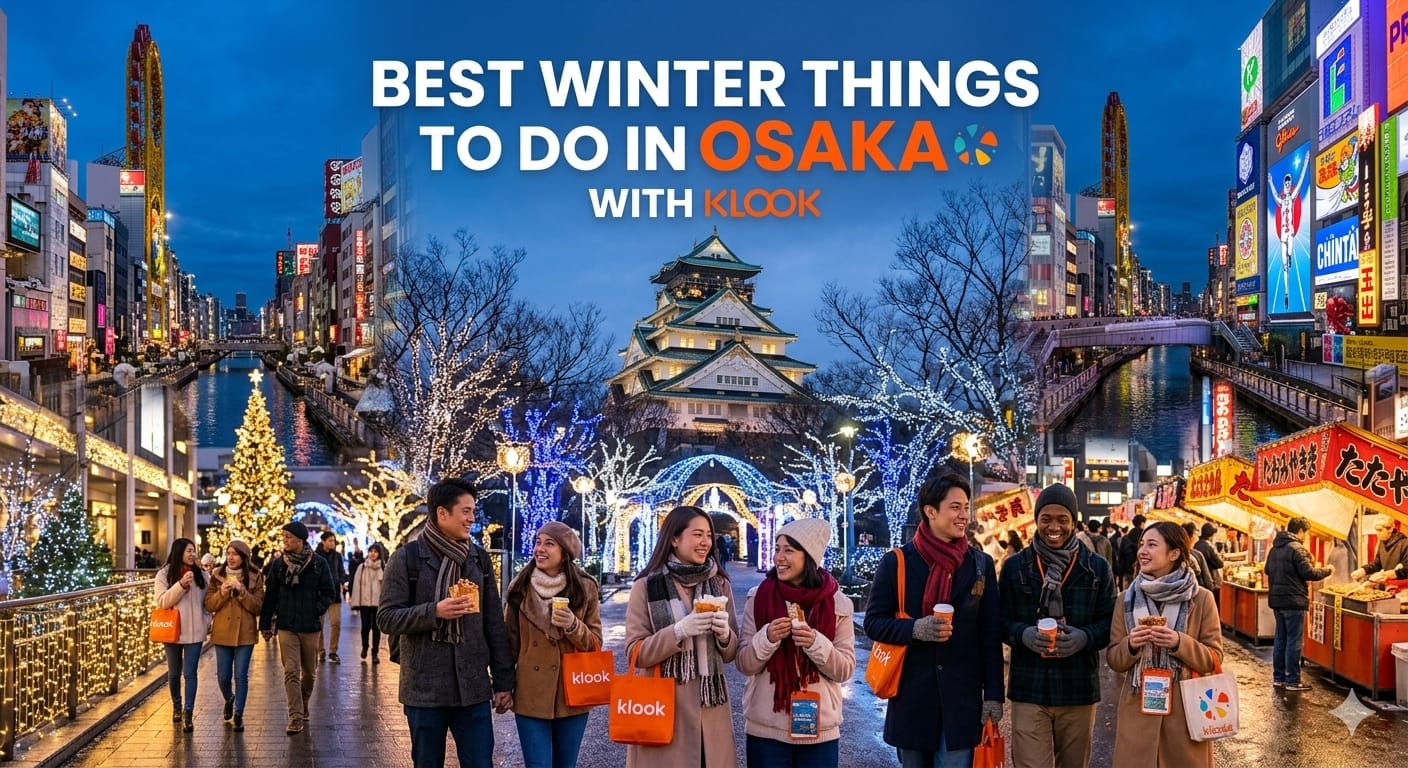
Osaka is one of Japan’s most exciting cities to visit during winter. The cooler weather makes it comfortable to explore busy streets, food districts, entertainment areas and famous attractions without the intense summer heat.
For travelers planning their first Osaka trip, winter is also a great time to combine sightseeing, food, entertainment and day trips. Klook can make the planning process easier by offering different tours, tickets and experiences that can be booked before your trip.
Here are some of the best winter things to do in Osaka.
1. Explore Osaka Castle
Osaka Castle is one of the city's most recognizable landmarks and a great starting point for a winter sightseeing day.
The surrounding park gives visitors plenty of space to walk and take photographs, while the castle itself offers an interesting look at Osaka's history.
Winter can be a comfortable season for exploring the area because you can spend time outdoors without dealing with extreme heat.
2. Enjoy the Energy of Dotonbori
No Osaka trip feels complete without visiting Dotonbori.
The famous canal, giant signs, restaurants and lively streets create one of the most recognizable scenes in Japan. Winter evenings are particularly enjoyable when the streets light up and the area becomes even more atmospheric.
You can combine a Dotonbori visit with a guided food tour or local dining experience.
3. Discover Osaka's Famous Food
Osaka is often associated with Japanese street food and casual dining.
Winter is an excellent opportunity to try local favorites such as takoyaki and okonomiyaki while exploring the city's food neighborhoods.
A guided food experience can be especially useful for first-time visitors because you can discover popular local dishes while learning more about Osaka's food culture.
4. Visit Universal Studios Japan
Universal Studios Japan is one of Osaka's biggest entertainment attractions.
Visitors can spend an entire day enjoying rides, themed areas, shows and attractions. It can be a particularly good choice for families, couples and travelers who want a break from traditional sightseeing.
Because popular periods can become busy, checking ticket availability and booking requirements before visiting is a smart idea.
5. See Osaka from Above
Winter sightseeing doesn't have to stay at street level.
Osaka has several places where travelers can enjoy panoramic views of the city. An observation experience can be especially memorable around sunset when the city gradually changes from daylight to an illuminated skyline.
For photographers and couples, this can be a relaxing way to finish a busy sightseeing day.
6. Take a Day Trip from Osaka
Osaka is also an excellent base for exploring nearby destinations.
Depending on your itinerary, you can consider organized day trips to places such as Kyoto, Nara or other popular areas around the Kansai region.
A guided day trip can save planning time and make it easier to visit several important locations in one day.
7. Experience Osaka's Nightlife and Entertainment
Osaka becomes lively after dark.
Areas such as Namba and Dotonbori offer restaurants, entertainment venues, shopping and plenty of places to explore in the evening.
Instead of returning to your hotel immediately after sightseeing, consider keeping one evening free for food, entertainment and exploring Osaka's nightlife.
8. Try a Japanese Cultural Experience
Winter travel is a good opportunity to experience something beyond major tourist attractions.
Depending on availability, travelers can look for Japanese cultural activities such as cooking classes, traditional experiences or guided local activities.
These experiences can make your trip feel more personal and give you something memorable to take home besides photographs.
A Simple Osaka Winter Itinerary
If you're visiting Osaka for a few days, you can organize your activities around different parts of the city.
Morning: Start with Osaka Castle or another major sightseeing attraction.
Afternoon: Explore shopping streets, local neighborhoods or Universal Studios Japan.
Evening: Head toward Dotonbori and enjoy Osaka's famous food and illuminated streets.
Another day: Take a guided day trip to Kyoto or Nara.
This approach keeps the itinerary flexible while giving you a good mix of attractions, food, culture and entertainment.
Why Book Osaka Experiences in Advance?
Some of Osaka's most popular attractions and tours can become busy during holidays and peak travel periods.
Booking important activities ahead of time can help you organize your schedule and avoid spending too much of your trip searching for tickets.
Klook can be useful for comparing available Osaka attractions, tours, tickets and experiences in one place.
Before booking, always check the latest ticket conditions, opening hours, cancellation policy and availability.
Final Thoughts
Osaka is a fantastic winter destination for travelers who want a mixture of food, entertainment, culture and sightseeing.
From Osaka Castle and Dotonbori to Universal Studios Japan, local food experiences and day trips to nearby destinations, there are plenty of ways to build an exciting winter itinerary.
The best strategy is not to fill every hour. Choose a few major experiences, leave time for spontaneous discoveries, and enjoy Osaka at your own pace.
Tokyo Winter Entertainment: Theme Parks, Shows and Experiences
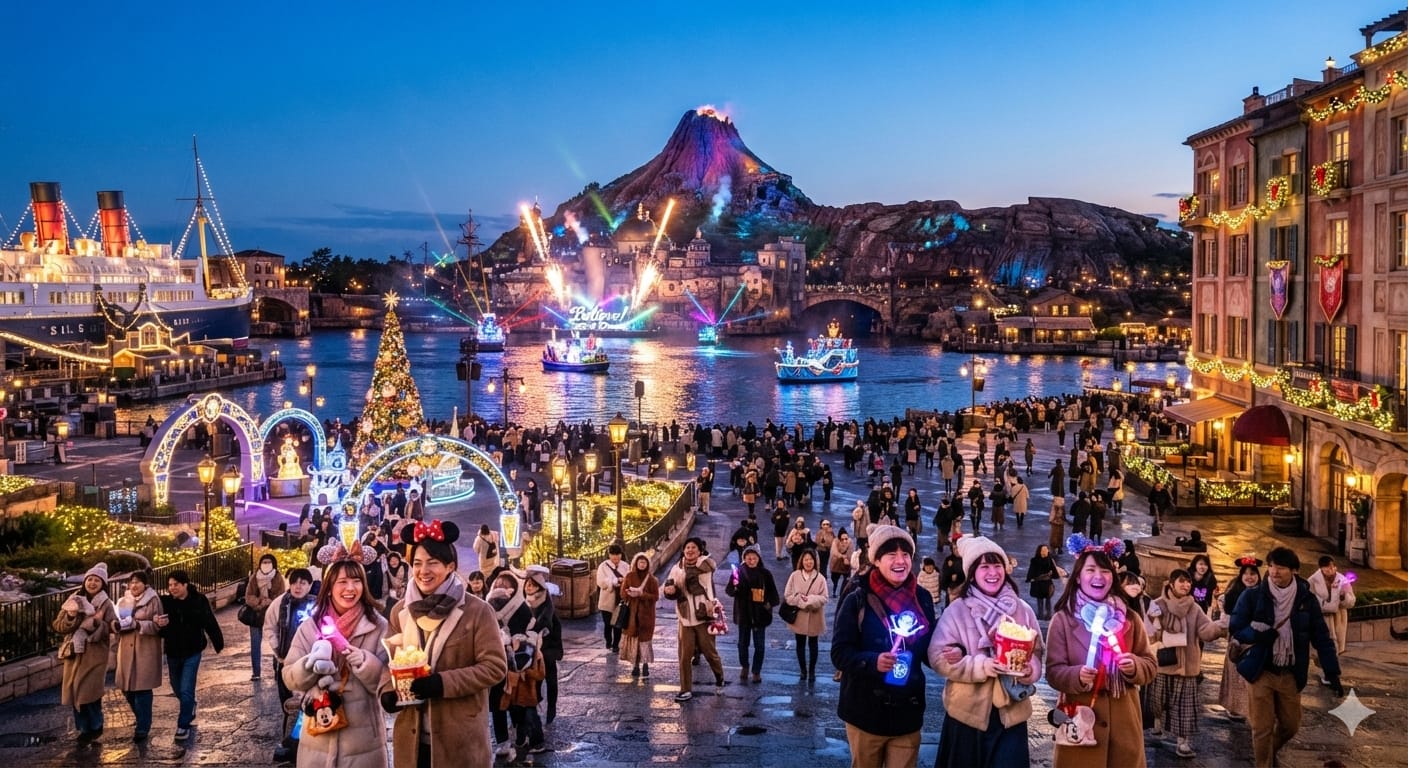
Tokyo in winter has a special energy. The cooler weather, beautiful city lights, seasonal events and indoor entertainment make it a great destination for travelers who want more than traditional sightseeing.
From exciting theme-park entertainment to digital art, live performances, evening experiences and Japanese cultural activities, there are plenty of ways to enjoy Tokyo during winter.
If you're planning a winter trip and want to book experiences before arriving, Klook can be a convenient option for comparing and reserving activities.
1. Enjoy Theme Park Entertainment
Tokyo's theme parks are among the most popular entertainment choices for visitors.
Instead of spending the entire day sightseeing outdoors, you can enjoy rides, shows, themed areas, restaurants and seasonal entertainment. Winter can also be a comfortable time to explore theme parks because the cooler temperatures make walking around easier.
For families and couples, a full day at a Tokyo theme park can become one of the highlights of the trip.
2. Experience Digital Art and Immersive Entertainment
Tokyo is famous for combining technology with entertainment.
Immersive digital art experiences allow visitors to walk through rooms filled with changing lights, projections, sounds and interactive displays. These experiences are particularly attractive during winter because they provide an exciting indoor activity away from cold weather.
They are also popular with travelers looking for unique photographs and memorable experiences.
3. Discover Tokyo's Evening Entertainment
Tokyo becomes even more impressive after sunset.
Neighborhoods such as Shibuya and Shinjuku are filled with illuminated buildings, restaurants, entertainment venues and busy streets. Travelers can combine sightseeing with an evening experience such as a city tour, observation deck visit or food experience.
Winter evenings can be cold, so planning a mix of indoor and outdoor activities makes the day more comfortable.
4. Try a Japanese Food Experience
Winter is an excellent season to explore Japanese food.
Travelers can book food tours, cooking experiences or guided dining activities to discover dishes that may be difficult to find on their own.
Ramen, sushi, yakiniku, tempura and other Japanese specialties can turn a normal evening into an entertainment experience.
For first-time visitors, a guided food experience can also make it easier to understand Japanese dining culture.
5. Watch Traditional Japanese Entertainment
Tokyo isn't only about modern technology and theme parks.
Visitors can also explore traditional Japanese culture through performances, cultural experiences and other activities. These experiences offer a different perspective on Japan and can be especially interesting for travelers visiting Tokyo for the first time.
Combining traditional entertainment with modern Tokyo activities can make a winter itinerary much more diverse.
6. Enjoy Tokyo's Skyline at Night
Winter often brings clear views across Tokyo, making evening observation experiences especially appealing.
From high observation decks, travelers can see Tokyo's enormous skyline illuminated after dark. These experiences work particularly well for couples, photographers and first-time visitors.
A sunset or evening visit can also be a good way to finish a busy day of sightseeing.
7. Plan Indoor Entertainment for Cold Days
Tokyo's winter weather can change quickly, so having indoor activities in your itinerary is a smart idea.
Museums, digital art experiences, shopping complexes, food experiences and entertainment venues can provide comfortable alternatives when temperatures drop.
This is one reason Tokyo works so well for winter travel: you don't have to depend entirely on outdoor sightseeing.
How to Plan a Tokyo Winter Entertainment Day
A simple itinerary can help you enjoy more without feeling rushed.
Morning: Start with a major entertainment attraction or theme park.
Afternoon: Choose an indoor experience such as digital art, shopping or a cultural activity.
Evening: Explore Tokyo's illuminated streets, enjoy a food experience or visit a city viewpoint.
Night: Finish with dinner or another entertainment experience close to your accommodation.
This combination gives you a balance between sightseeing, entertainment and relaxation.
Why Book Tokyo Experiences Before Your Trip?
Popular Tokyo entertainment experiences can become busy during holidays and peak travel periods. Booking ahead can make your itinerary easier to organize and reduce the need to search for activities after arriving.
Klook can be useful for travelers who want to browse different Tokyo attractions, tours and experiences in one place.
However, always check the latest availability, operating hours, meeting points and booking conditions before confirming an activity.
Final Thoughts
Tokyo winter entertainment is much more than theme parks.
You can combine modern digital experiences, Japanese food, cultural performances, evening sightseeing, city views and indoor attractions to create a memorable winter itinerary.
For travelers visiting Tokyo for the first time, the best approach is to mix popular attractions with a few unique experiences rather than trying to see everything in one trip.
Plan the major activities in advance, leave some flexible time for exploring, and enjoy Tokyo at your own pace.
Best Winter Attractions in Tokyo to Book with Klook
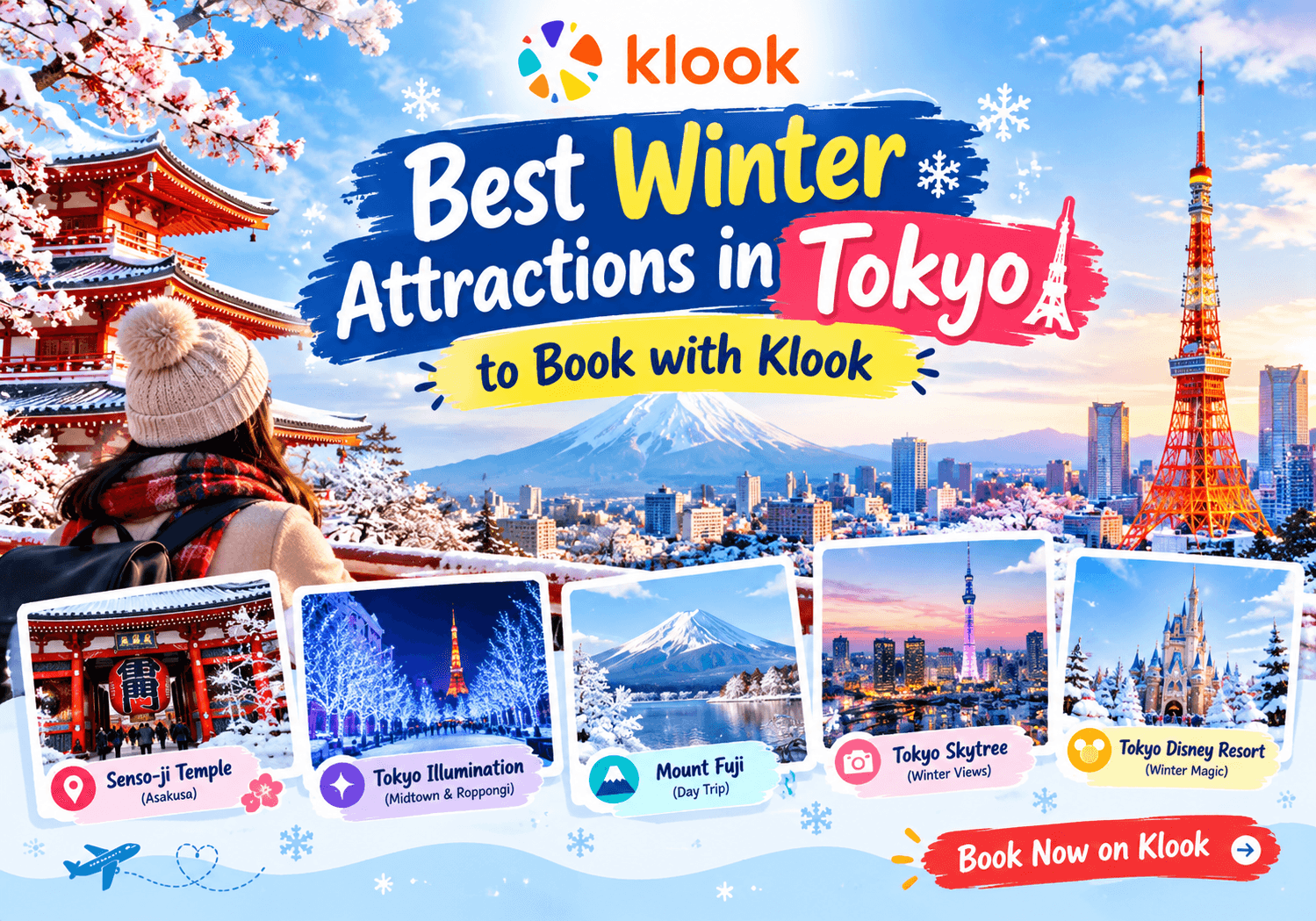
Tokyo in winter has a special charm. The cooler weather, beautiful city lights, seasonal events, and indoor attractions make it a great destination for travelers who want to explore Japan without spending every day outdoors.
If you are planning a winter trip to Tokyo, booking popular attractions and experiences in advance can make your trip much easier. Klook is one option travelers use to find attraction tickets, tours, activities, and experiences in Tokyo.
Here are some of the best winter attractions in Tokyo to book with Klook.
1. Tokyo Disneyland
Tokyo Disneyland is one of the most popular attractions for visitors of all ages. Winter can be a particularly enjoyable time to visit because of seasonal decorations, nighttime entertainment, and special winter atmosphere.
If you are traveling with children or simply enjoy theme parks, adding Tokyo Disneyland to your winter itinerary can be worthwhile.
Booking your attraction ticket before visiting can also help you organize your day more efficiently.
2. Tokyo DisneySea
For something different, Tokyo DisneySea offers a unique theme-park experience inspired by oceans and adventure.
The park has themed areas, attractions, restaurants, shows, and evening entertainment. Winter's cooler temperatures can make walking around the park more comfortable than during Japan's hotter months.
It is especially attractive for couples, families, and travelers who want a full-day entertainment experience.
3. teamLab Borderless
If you enjoy digital art and unusual experiences, teamLab Borderless is worth considering.
Instead of traditional galleries, visitors walk through immersive digital installations where light, sound, movement, and technology create constantly changing environments.
It is also one of the more memorable places to visit when the weather outside is cold.
4. Tokyo Skytree
Tokyo Skytree is another excellent winter attraction.
From the observation decks, visitors can enjoy panoramic views across Tokyo. On a clear winter day, visibility can be particularly impressive.
The surrounding Tokyo Solamachi complex also offers restaurants, shops, and entertainment, making it easy to combine the observation deck with other activities.
5. Tokyo Tower
Tokyo Tower remains one of Tokyo's most recognizable landmarks.
Visiting around sunset allows travelers to experience Tokyo during daylight and then see the city transform into a sea of lights after dark.
Winter evenings can be cold, so planning this attraction as part of an organized itinerary can make the experience more comfortable.
6. Shibuya Sky
For travelers looking for modern Tokyo views, Shibuya Sky is a popular choice.
Located above Shibuya, the observation experience provides an impressive view of the city's famous streets and skyline.
Winter can be a great season for photography because clear weather may offer excellent city views. Sunset is also a popular time to visit, so checking availability and booking ahead can be useful.
7. Tokyo City Tours
Not every Tokyo experience needs to be inside an attraction.
A guided city tour can help first-time visitors discover famous neighborhoods, landmarks, food spots, and cultural locations without having to plan every detail themselves.
Depending on the available options, travelers can find walking tours, sightseeing experiences, food tours, and other activities through travel booking platforms such as Klook.
8. Winter Food Experiences
Tokyo is famous for its food, and winter is a great time to explore Japanese cuisine.
Warm ramen, hotpot dishes, sushi, street food, and traditional Japanese meals can make cold winter evenings much more enjoyable.
Food tours can also be a good option for travelers who want to experience local neighborhoods rather than simply visit famous tourist attractions.
How to Plan a Tokyo Winter Attraction Day
One of the easiest ways to enjoy Tokyo is to group attractions by location.
For example, you could spend part of a day exploring the Shibuya area and combine sightseeing with shopping and food. Another day could focus on Tokyo Skytree and nearby attractions.
For theme parks such as Disneyland or DisneySea, it is usually better to dedicate most of the day to the park instead of trying to combine several distant attractions.
Why Book Tokyo Attractions in Advance?
Tokyo's most popular attractions can become busy, particularly during holidays and weekends.
Booking ahead can help you:
Plan your daily itinerary
Avoid unnecessary ticket queues where applicable
Check attraction availability before traveling
Organize popular experiences around your schedule
Compare available activities and tours
Klook can be useful for travelers who want to browse Tokyo attraction tickets, tours, activities, and experiences in one place.
Final Thoughts
Tokyo in winter offers much more than cold weather. From Disneyland and DisneySea to immersive digital art, observation decks, city tours, and Japanese food experiences, there are plenty of ways to enjoy the city.
The best attraction depends on your travel style. Families may prefer theme parks, couples may enjoy city views and evening experiences, while first-time visitors may prefer guided tours and famous landmarks.
Before your trip, compare the attractions you want to visit, check availability, and consider booking popular experiences in advance through Klook.
Quick Tokyo Winter Attraction Checklist
| Attraction | Best For | Suggested Time |
|---|---|---|
| Tokyo Disneyland | Families & theme-park fans | Full day |
| Tokyo DisneySea | Couples & families | Full day |
| teamLab Borderless | Art & technology lovers | 2–3 hours |
| Tokyo Skytree | City views & photography | 2–3 hours |
| Tokyo Tower | Landmark & evening views | 1–2 hours |
| Shibuya Sky | Skyline & sunset views | 1–2 hours |
| Tokyo City Tours | First-time visitors | Half/full day |
| Food Experiences | Food lovers | 2–4 hours |
Planning a winter trip to Tokyo?
Start with the attractions that match your interests, then build the rest of your itinerary around them. This simple approach can help you spend less time planning and more time enjoying Tokyo.
Asia Cruise Calendar: New Routes, Dates, and Best Early Booking Deals
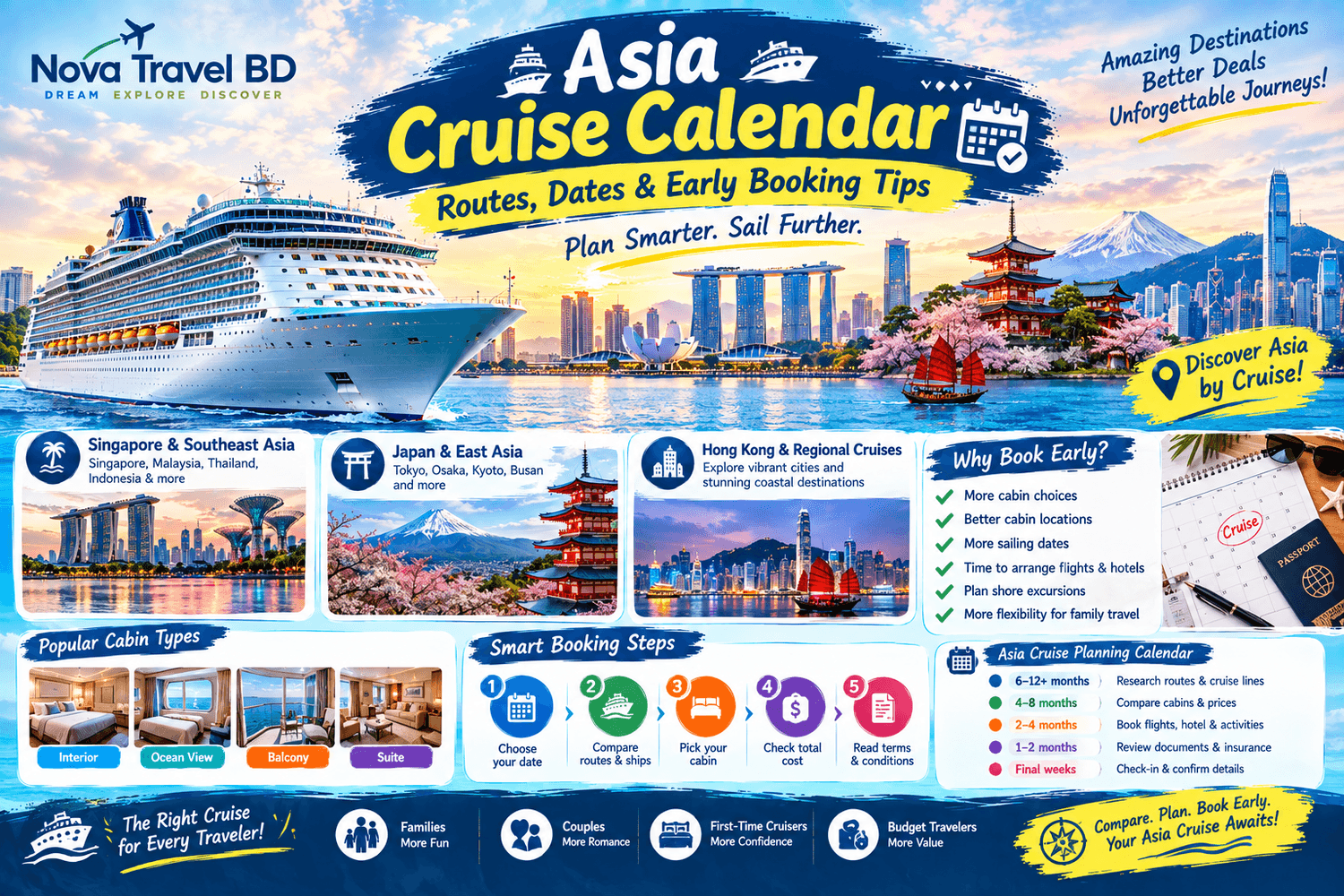
Asia has become an exciting destination for cruise travelers, with routes connecting major cities, tropical islands, cultural destinations, and popular Southeast Asian ports.
For travelers planning an Asia cruise, the biggest question is often not simply where to go—but when to book and which route is right for you.
Cruise schedules, ships, prices, and promotions can change, so the smartest approach is to use a cruise calendar as a planning tool and always verify the latest sailing details before booking.
Why Use an Asia Cruise Calendar?
A cruise calendar helps you compare different travel periods before making a decision.
Instead of choosing the first cruise you find, you can compare:
Departure dates
Cruise duration
Destinations
Cruise lines
Cabin categories
Seasonal demand
Available promotions
This is particularly useful if your travel dates are flexible.
Popular Asia Cruise Regions
Asia offers several different cruise experiences.
Singapore & Southeast Asia
Singapore is one of the region's most convenient cruise hubs.
Depending on the sailing, travelers may find itineraries involving destinations in:
Malaysia
Thailand
Singapore
Indonesia
Other Asian ports
These cruises can be ideal for travelers who want multiple destinations without changing hotels every few days.
Japan & East Asia
Japan-focused cruises offer a very different experience, combining modern cities, historic destinations, seasonal scenery, and Japanese culture.
These itineraries can be particularly attractive during periods when travelers want to experience Japan beyond a single city.
Hong Kong & Regional Cruises
Hong Kong can also serve as a gateway for cruises around East and Southeast Asia.
When comparing these itineraries, consider the departure city's flight accessibility as well as the cruise route itself.
When Is the Best Time to Book an Asia Cruise?
There isn't one universal booking date that guarantees the lowest price.
However, booking early can provide important advantages, especially for popular sailings.
Early planning may give you:
✓ More cabin choices
✓ Better cabin locations
✓ More sailing-date options
✓ More time to arrange flights
✓ More time to plan shore excursions
✓ Better flexibility for family travel
On the other hand, travelers with flexible schedules may sometimes find attractive promotional offers closer to departure.
The key is to compare the total value and booking conditions, not simply the discount percentage.
How to Find Better Cruise Deals
1. Compare Multiple Sailing Dates
If you can travel on different dates, check several departures.
A small change in your travel date can sometimes make a significant difference in cabin availability or overall pricing.
2. Compare Cabin Categories
Don't assume that the most expensive cabin is automatically the best choice.
Consider whether you actually need:
An interior cabin
Ocean view
Balcony
Suite
For budget travelers, an interior cabin can be a practical way to experience a cruise while spending more on destinations and activities.
3. Watch for Promotions
Cruise lines and travel platforms may offer promotions at different times.
When checking a deal, look beyond the headline discount.
Check:
Final price + inclusions + cancellation terms + cabin category
A smaller discount with better conditions can sometimes be more valuable than a large advertised discount.
4. Compare the Complete Vacation Cost
Your cruise isn't the only travel expense.
Your budget may include:
Cruise + flights + hotel + transfers + excursions + insurance + optional extras
This is especially important when comparing cruises departing from different Asian cities.
A cruise with a slightly higher ticket price could be more convenient if flights and transportation are significantly easier.
A Simple Asia Cruise Planning Calendar
Use this as a general planning framework rather than a fixed sailing schedule:
| Planning Time | What to Do | Why It Matters |
|---|---|---|
| 6–12+ Months Before | Research cruise lines, routes and sailing dates | More itinerary and cabin choices |
| 4–8 Months Before | Compare cabins, prices and available promotions | Helps find better value |
| 2–4 Months Before | Finalize flights, hotels and shore activities | Reduces last-minute travel stress |
| 1–2 Months Before | Check travel documents, insurance and cruise requirements | Avoids boarding problems |
| Final Weeks | Complete online check-in and confirm all booking details | Makes departure smoother |
The ideal timing can vary by cruise line, route, season, and availability.
Which Asia Cruise Is Right for You?
For Families
Look for ships with family-friendly entertainment, suitable cabins, convenient itineraries, and activities for different age groups.
For Couples
Consider cruises that combine scenic destinations, dining, entertainment, and relaxing onboard spaces.
For First-Time Cruisers
A shorter Singapore cruise can be a comfortable introduction to cruise travel.
Short itineraries allow you to experience life onboard without committing to a very long voyage.
For Budget Travelers
Focus on the total vacation cost.
An affordable cabin, flexible dates, and carefully selected shore activities can help control your spending.
Don't Forget the Destination
The ship is important, but the itinerary matters just as much.
Before booking, ask:
Where does the ship go?
Then consider:
How long is the ship in port?
What activities are available?
How easy is transportation?
Is the itinerary suitable for your travel style?
Are the destinations worth the total cost?
A beautiful ship with an itinerary you don't enjoy may not be the right cruise for you.
Smart Early-Booking Checklist
Before confirming your Asia cruise, check:
✓ Exact sailing date
✓ Departure port
✓ Cruise duration
✓ Full itinerary
✓ Cabin category
✓ Final booking price
✓ What's included
✓ Cancellation conditions
✓ Flight and hotel requirements
✓ Shore excursion options
✓ Passport and travel requirements
✓ Travel insurance options
Final Thoughts
An Asia cruise calendar is more than a list of sailing dates. It's a way to compare routes, seasons, ships, cabins, and travel costs before committing to a vacation.
Whether you're considering a Singapore cruise, a Southeast Asia itinerary, or a longer Asian cruise adventure, early research can give you more choices and make your planning much easier.
Don't chase every "best deal" you see.
Instead, compare the date, route, cabin, inclusions, and complete vacation cost.
The best cruise deal is the one that gives you the experience you want at a price that fits your travel budget.
Plan early. Compare carefully. Then set sail.
Royal Caribbean’s Navigator of the Seas Is Coming to Singapore: How to Book Early
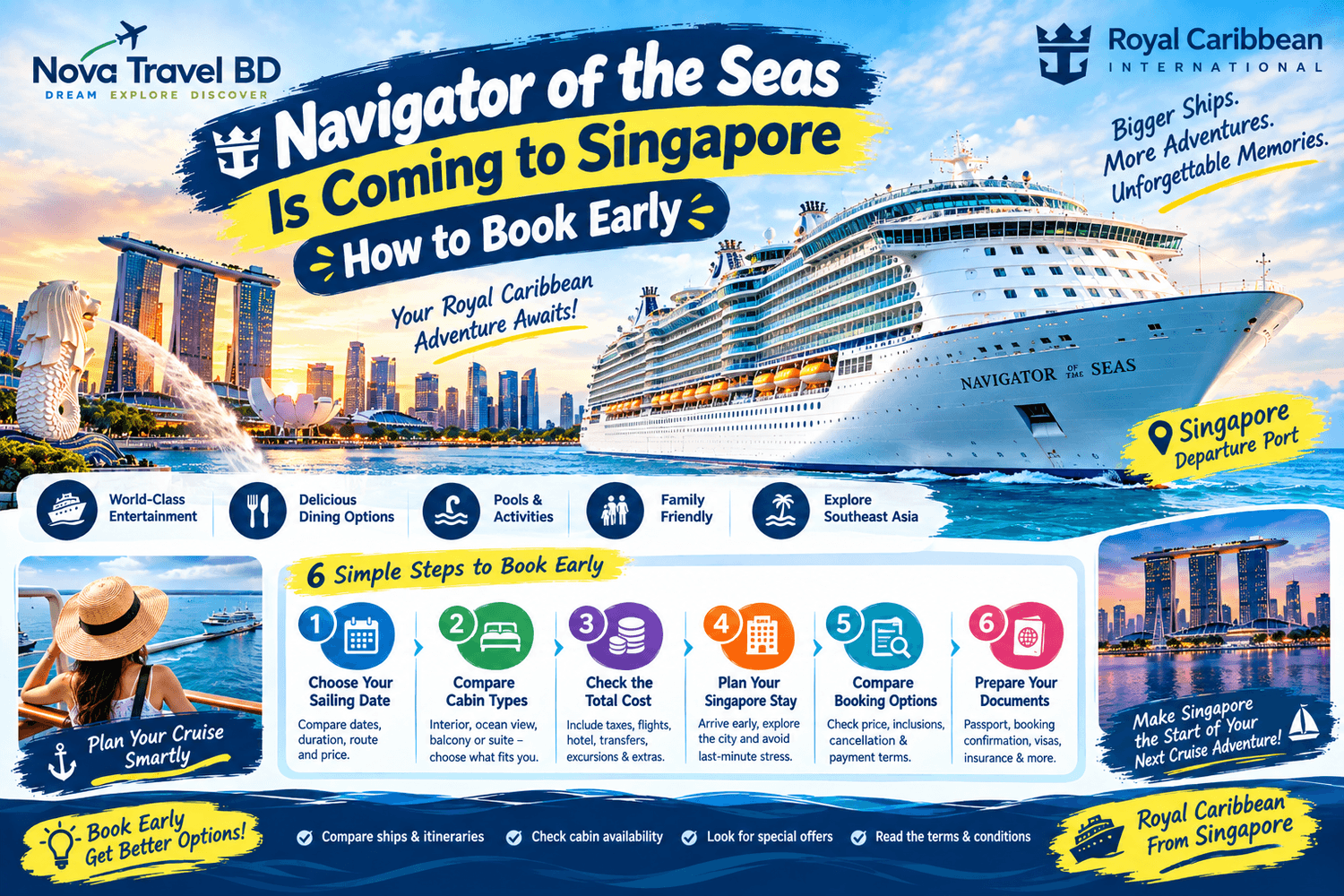
Singapore is one of Asia's most popular cruise hubs, making it an exciting starting point for travelers who want to explore the region by sea.
For travelers interested in Royal Caribbean cruises from Singapore, the arrival of a ship such as Navigator of the Seas can create strong demand for popular sailing dates and cabin categories.
If you're considering booking, the key is not simply booking as fast as possible. It's knowing what to check before you pay and how to prepare for a popular cruise departure.
Why Book a Royal Caribbean Cruise From Singapore?
Singapore offers an excellent combination of international flights, hotels, attractions, and cruise facilities.
Starting your cruise here can be convenient for travelers who want to combine:
Singapore sightseeing
A cruise vacation
Southeast Asian destinations
Family travel
A pre-cruise hotel stay
For international travelers, Singapore can also be easier to reach than some smaller regional ports.
What Makes Navigator of the Seas Interesting?
Navigator of the Seas offers a large-ship cruise experience with a variety of onboard spaces and entertainment.
Depending on the sailing and current onboard offerings, travelers can enjoy the ship as part of the vacation rather than treating it simply as transportation between destinations.
That is one of the major attractions of choosing a Royal Caribbean cruise.
You get the opportunity to enjoy the ship while visiting multiple destinations.
Why Early Booking Can Be Smart
Popular cruise dates can attract families, couples, and international travelers.
Booking earlier may give you a wider selection of:
Cabin categories
Cabin locations
Sailing dates
Occupancy options
Preferred travel arrangements
This can be particularly useful if you're traveling with family or need multiple cabins.
However, early booking does not automatically mean the lowest possible price. Cruise prices and promotions can change, so always compare the current offer and booking conditions.
Step 1: Choose Your Sailing Date
Start by deciding when you want to travel.
If you're flexible, compare several available sailing dates.
Look at:
Date → Duration → Route → Cabin → Total price
A slightly different departure date may provide a better combination of price, availability, and itinerary.
Step 2: Compare Cabin Types
Don't choose a cabin simply because it has the lowest advertised price.
Consider what kind of experience you want.
Interior Cabin
Usually suitable for travelers who prioritize budget and don't mind having no outside view.
Ocean View Cabin
A good middle option for travelers who want natural views without necessarily choosing a balcony.
Balcony Cabin
Useful if having your own outdoor space and ocean views is important to you.
Suite
Designed for travelers looking for more space and a premium experience, depending on the specific suite category.
The right cabin depends on your budget and how much time you expect to spend there.
Step 3: Check the Complete Booking Cost
The displayed cruise fare shouldn't be the only number you consider.
Your overall vacation budget may include:
Cruise fare
Applicable taxes and fees
Flights
Hotel
Airport transfers
Port transportation
Shore excursions
Travel insurance
Optional onboard spending
This is especially important for international travelers flying into Singapore.
Step 4: Plan Your Singapore Stay
Consider arriving in Singapore before your cruise rather than trying to connect directly from a long international flight to the ship.
A pre-cruise hotel stay can give you extra time to recover from your journey and explore Singapore.
You could use the extra day to visit attractions, enjoy local food, or simply relax before boarding.
Most importantly, leave enough time between your flight arrival and cruise departure.
Step 5: Compare Available Booking Options
When looking for Royal Caribbean cruise tickets, compare the available booking channels and current offers.
If you're using Klook or another travel platform, carefully check:
Final price
Cabin category
What's included
Cancellation conditions
Payment terms
Passenger requirements
Departure information
Don't assume that two listings with similar prices have identical conditions.
Step 6: Prepare Your Documents
Before your cruise, check the documentation requirements for your nationality and itinerary.
Keep your:
Passport
Cruise booking confirmation
Required travel documents
Flight information
Hotel confirmation
Travel insurance details
Read the cruise line's current instructions well before departure.
Requirements can vary depending on the itinerary and traveler.
Should You Book Immediately?
Not necessarily.
The better approach is to book early when you have found a suitable sailing and acceptable terms, particularly if you have specific cabin requirements.
Before completing payment, compare:
Sailing date
Cruise itinerary
Cabin category
Total cost
Included services
Cancellation conditions
If all six make sense for your trip, you have a much stronger basis for booking.
Tips for Families
Families should pay extra attention to cabin arrangements.
Ask yourself:
Do we need connecting cabins?
Is the cabin large enough?
Does the sailing date match school holidays?
How will we get to Singapore?
Do children require specific travel documents?
What activities are suitable for everyone?
Booking earlier can be particularly useful when several family members are traveling together.
Final Thoughts
A Royal Caribbean cruise from Singapore can combine the convenience of a major Asian travel hub with the excitement of a large-ship cruise vacation.
If you're interested in Navigator of the Seas, don't focus only on finding a cheap cruise ticket.
Instead, compare the sailing date, itinerary, cabin, total trip cost, and booking conditions.
And if a particular departure is popular, planning early can give you a much better chance of getting the cabin and travel arrangements that fit your needs.
Compare carefully, book confidently, and make Singapore the beginning of your next cruise adventure.
The Ultimate Battle of Cruise Ships: Royal Caribbean vs. Resorts World Cruises

Choosing a cruise line can be difficult when two very different experiences are competing for your attention.
Royal Caribbean is known for large ships, entertainment, family activities, and resort-style experiences at sea. Resorts World Cruises focuses strongly on premium Asian cruising, dining, relaxation, and convenient regional itineraries.
So which one is better?
The answer depends on what you want from your cruise vacation.
Royal Caribbean vs. Resorts World Cruises at a Glance
| Feature | Royal Caribbean | Resorts World Cruises |
|---|---|---|
| Best for | Families, entertainment & activities | Couples, families & relaxed travel |
| Ship experience | Large resort-style ships | Premium regional cruise experience |
| Entertainment | Extensive entertainment and activities | Strong focus on dining & entertainment |
| Family activities | Excellent | Good |
| Luxury feel | Depends on ship and cabin category | Strong premium atmosphere |
| Asia itineraries | Selected Asian routes | Strong regional focus |
| First-time cruisers | Excellent choice | Excellent choice |
| Main advantage | Variety, activities & resort-style experience | Premium Asian cruise experience |
1. Which Cruise Is Better for Families?
If you're traveling with children, Royal Caribbean can be particularly attractive because many of its ships are designed around entertainment and activities.
Depending on the ship, families may find:
Swimming pools
Adventure activities
Kids' spaces
Family entertainment
Sports facilities
Multiple dining choices
This makes the ship itself a major part of the vacation.
Resorts World Cruises can also work well for families, especially when parents want a more relaxed atmosphere combined with regional destinations.
Family Winner: Royal Caribbean
For families who want lots of onboard activities and entertainment, Royal Caribbean generally has the advantage.
2. Which Is Better for Couples?
Couples may have different priorities.
If you want a large selection of activities and entertainment, Royal Caribbean can provide plenty to do throughout the day.
If you prefer a more premium atmosphere, good dining, relaxing spaces, and Asian destinations, Resorts World Cruises may be appealing.
Your ideal choice depends less on the brand name and more on the specific ship and itinerary.
Couples Winner: Depends on Your Style
Choose the cruise that matches your preferred balance of entertainment, relaxation, dining, and destinations.
3. Which Offers Better Value?
The cheapest advertised cruise fare isn't necessarily the best deal.
When comparing Royal Caribbean and Resorts World Cruises, look at the complete cost:
Cruise fare + cabin + transportation + excursions + onboard extras
Also check what is included in your specific booking.
A lower ticket price may not provide better overall value if you need to spend considerably more on transportation or optional experiences.
Value Winner: Compare the Complete Package
Instead of asking "Which cruise is cheaper?", ask:
"Which cruise gives me more for my total budget?"
4. Which Is Better for First-Time Cruisers?
Both can be suitable for first-time cruise travelers.
Royal Caribbean may be easier for travelers who want a huge variety of onboard entertainment and activities.
Resorts World Cruises can be attractive for travelers looking for a more straightforward regional cruise experience, particularly around Asian destinations.
For beginners, the most important factors are often:
Cruise duration
Departure port
Cabin type
Itinerary
Included services
Total price
The brand should come after these practical considerations.
5. Which Cruise Has Better Asian Appeal?
For travelers specifically interested in Southeast Asia cruise travel, the itinerary should be one of your biggest considerations.
A cruise can visit several destinations while allowing you to unpack only once.
Depending on the sailing, Asian cruises may connect destinations such as Singapore, Malaysia, Thailand, and other regional ports.
Before booking, check the exact itinerary rather than assuming every ship follows the same route.
Royal Caribbean or Resorts World Cruises: How to Choose
Use this simple guide:
Choose Royal Caribbean if you want:
✓ Lots of onboard activities
✓ Family-friendly entertainment
✓ Large-ship resort experiences
✓ Plenty of dining and entertainment choices
✓ A vacation where the ship is part of the attraction
Consider Resorts World Cruises if you want:
✓ A premium Asian cruise experience
✓ Regional Southeast Asian itineraries
✓ Relaxation and dining
✓ A cruise experience focused on Asian destinations
✓ A different alternative to larger global cruise brands
Don't Forget the Ship Matters
One important point is often overlooked: the cruise line alone doesn't determine your experience.
Two ships from the same company can offer different facilities, layouts, entertainment, and atmosphere.
Before booking, check:
The exact ship
Departure port
Itinerary
Cruise duration
Cabin category
Included services
Additional costs
Cancellation conditions
This can make a bigger difference than simply choosing one cruise brand over another.
Final Verdict
There isn't one universal winner between Royal Caribbean and Resorts World Cruises.
For families and travelers who prioritize activities, entertainment, and a large resort-style ship experience, Royal Caribbean can be an excellent choice.
For travelers interested in premium regional cruising, Asian destinations, dining, and a more relaxed experience, Resorts World Cruises may be the better fit.
The smartest approach is simple:
Compare the exact ship, itinerary, cabin, inclusions, and total cost before booking.
Your perfect cruise isn't necessarily the biggest ship or the cheapest ticket.
It's the cruise that matches your travel style, budget, and destination goals.
The Perfect 4-Day Singapore-Penang-Phuket Cruise Itinerary: Cost, Route & Tips
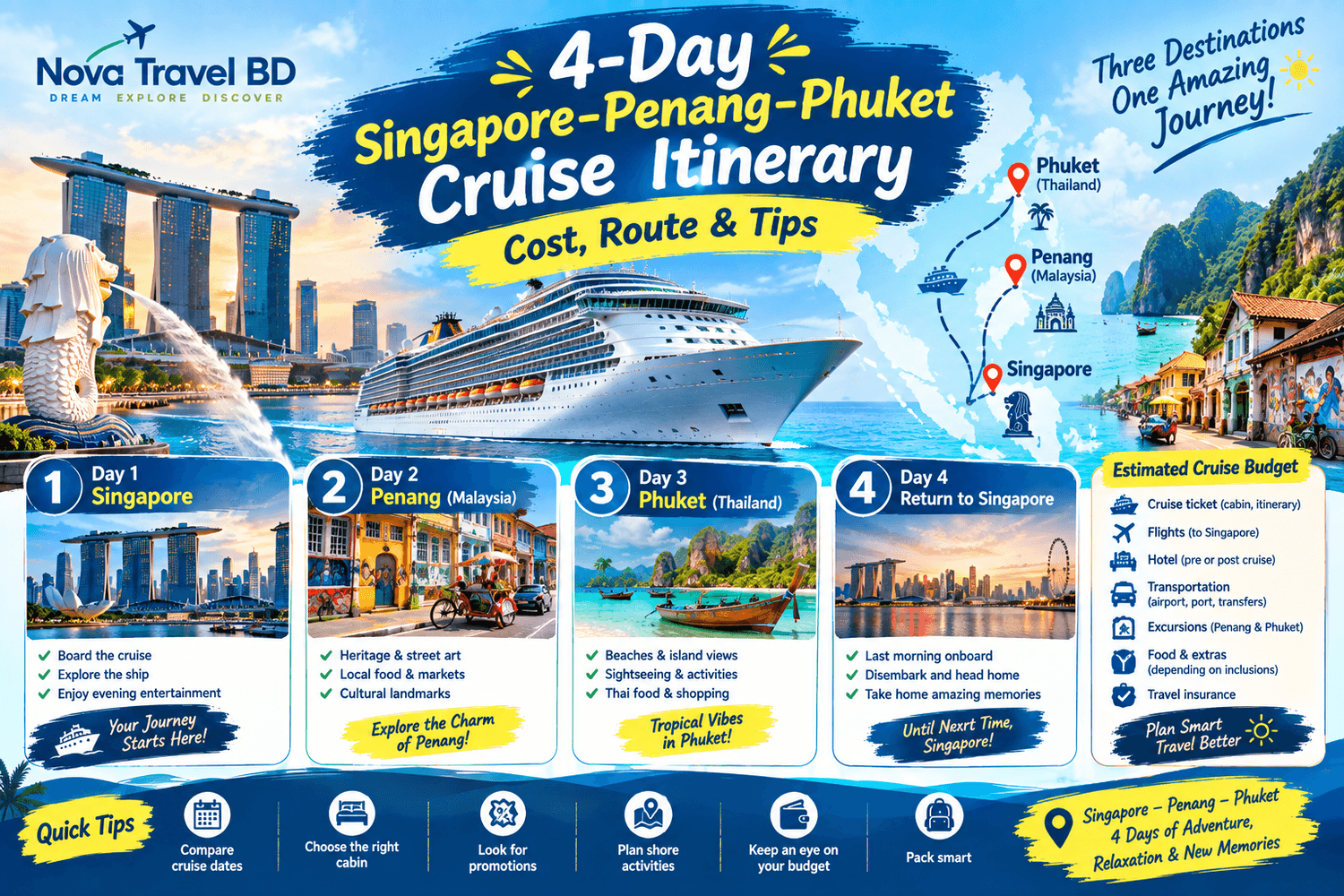
A 4-day cruise from Singapore to Penang and Phuket is a great way to experience several Southeast Asian destinations without changing hotels every night.
You unpack once, enjoy life onboard, and wake up somewhere new.
If you're planning a short Southeast Asia cruise, this simple itinerary can help you understand the route, daily activities, budgeting, and practical travel tips.
Why Choose a Singapore–Penang–Phuket Cruise?
This route combines three very different travel experiences:
Singapore — modern city life, shopping, food, and attractions
Penang — heritage, local food, and cultural experiences
Phuket — beaches, island scenery, and tropical activities
For first-time cruisers, a short itinerary is also a convenient way to experience cruise travel without committing to a week-long vacation.
Day 1: Depart From Singapore
Your journey begins in Singapore.
Try to arrive at the port early enough to complete the required check-in and boarding procedures without rushing.
Once onboard, take some time to explore the ship.
You can:
Find your cabin
Locate restaurants and public areas
Check the daily activity schedule
Attend the required safety briefing
Enjoy the ship's evening entertainment
Don't try to do everything on your first afternoon. Give yourself time to settle in.
Singapore Tip
If you're flying into Singapore on the same day, leave plenty of extra time between your flight and cruise departure. A flight delay can create unnecessary stress.
Day 2: Penang
The next stop is Penang, Malaysia, known for its historic streets, distinctive architecture, and famous food culture.
Depending on your port schedule, you may have several hours to explore.
Popular things to consider include:
George Town heritage areas
Street art
Local food
Traditional markets
Cultural landmarks
You don't need to plan a complicated itinerary.
Choose two or three attractions that are reasonably close together and keep track of your required return time to the ship.
Penang Tip
Always leave a comfortable time buffer before the ship's departure. The vessel cannot normally wait for passengers who return late from independent activities.
Day 3: Phuket
Phuket brings a completely different atmosphere.
Depending on your arrival time and available activities, you could focus on:
Beach scenery
Local sightseeing
Island excursions
Thai food
Shopping
Relaxing near the coast
If you book a shore excursion, check its duration and meeting point carefully.
For independent exploration, keep your transportation plan simple and allow enough time to return to the port.
Phuket Tip
Avoid filling every available hour with activities. A cruise vacation should also include time to relax and enjoy the ship.
Day 4: Return to Singapore
After enjoying the final evening onboard, the cruise returns toward Singapore.
Before disembarkation, check your luggage instructions and departure requirements.
If you have a flight from Singapore on the same day, don't schedule it too close to your expected disembarkation time.
A comfortable buffer is always better than rushing from the port to the airport.
Estimated Cruise Budget
The total cost depends heavily on the cruise line, cabin type, travel date, promotions, and what you choose to do at each destination.
A practical budget should consider:
ExpenseWhat to ConsiderCruise ticketCabin, itinerary and booking dateFlightsReturn flights to SingaporeHotelOptional pre-cruise or post-cruise stayTransportationAirport, hotel and port transfersExcursionsPenang and Phuket activitiesFood & extrasDepending on what your cruise fare includesInsuranceTravel protection options
Instead of comparing only the advertised cruise fare, calculate the complete vacation cost.
How to Make This Cruise More Affordable
You can potentially reduce your overall travel costs by planning early and comparing your options.
Compare Cruise Dates
Prices can vary between departure dates. If you're flexible, compare several dates.
Choose Your Cabin Carefully
An interior cabin can reduce the price, while an ocean-view or balcony cabin may provide a different experience.
Choose based on how you'll actually use the cabin.
Plan Shore Activities
You don't need an expensive excursion at every destination.
Compare available activities and decide where a guided tour provides real value.
Consider a Pre-Cruise Hotel
If you're flying into Singapore shortly before departure, arriving a day early can make your trip more comfortable and reduce the risk of missing the cruise because of a flight delay.
What to Pack
For a short Southeast Asia cruise, keep your luggage practical.
Bring:
Passport and travel documents
Comfortable walking shoes
Lightweight clothing
Swimwear
Sun protection
Basic medication and toiletries
Phone charger
Small day bag
Travel insurance details
Keep essential documents and valuables in your carry-on rather than checked luggage.
Final Tips for a Smooth 4-Day Cruise
Arrive early: Don't make your cruise dependent on a tight airport-to-port schedule.
Track ship time: Always follow the ship's official time and instructions.
Plan less: Two enjoyable activities are often better than five rushed ones.
Watch your budget: Small extras can quickly add up.
Enjoy the ship: The cruise itself is part of the destination.
Final Thoughts
A Singapore–Penang–Phuket cruise offers a convenient way to combine city sightseeing, Malaysian culture, and tropical Thailand in one short vacation.
With smart planning, a realistic budget, and enough free time to relax, a 4-day cruise can be an excellent introduction to Southeast Asia cruise travel.
The best itinerary isn't necessarily the busiest one.
It's the one that lets you explore, relax, and enjoy every destination without constantly watching the clock.
How to Avoid Hidden Fees on Your First Cruise: A Budget-Friendly Klook Guide
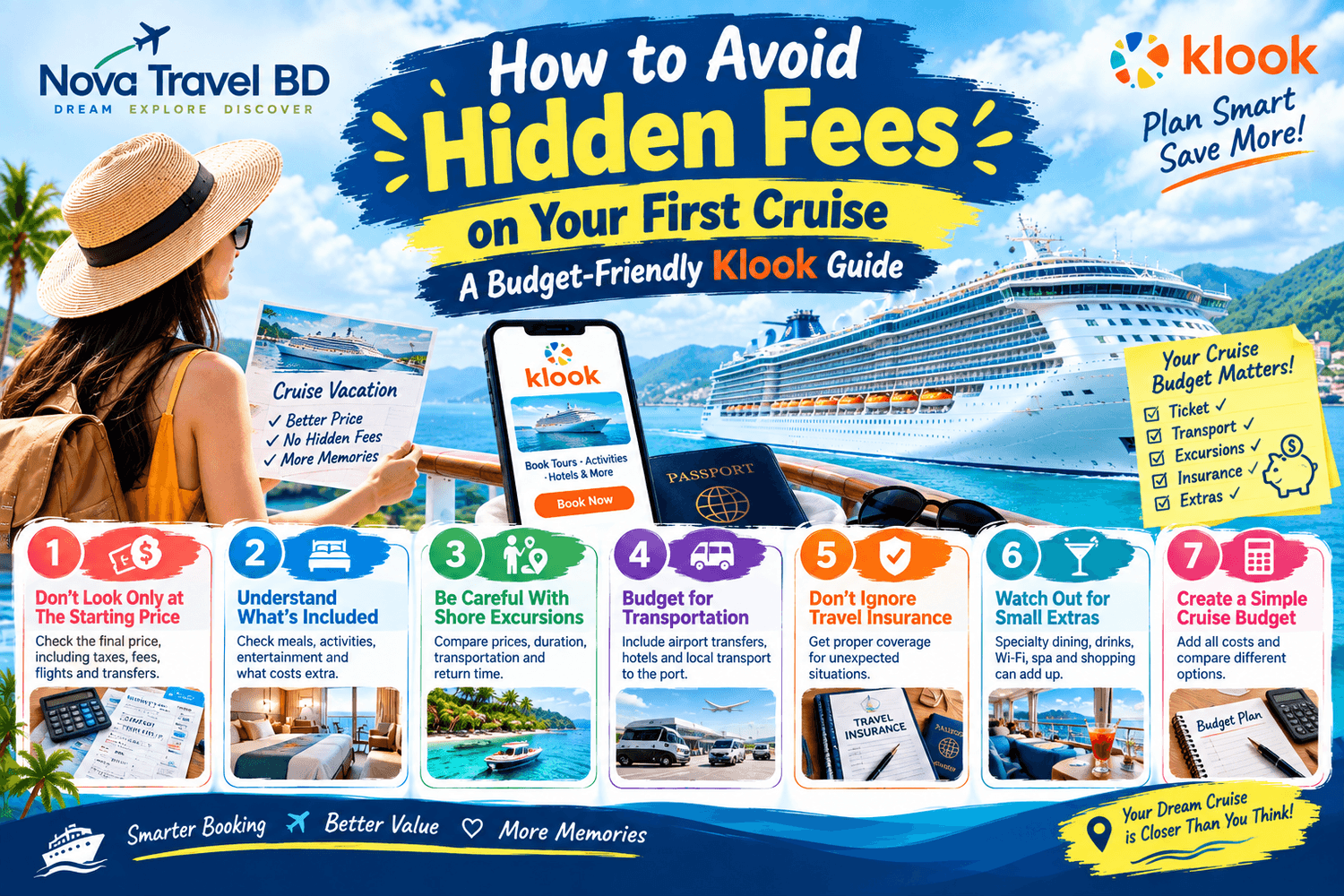
Booking a cruise can seem simple: choose a ship, select a cabin, and pay for your ticket. But first-time travelers often discover that the cruise fare is only part of the total vacation cost.
From transportation and shore excursions to onboard extras, several expenses can affect your final budget.
The good news? With a little planning, you can avoid many unexpected cruise costs.
Here is a practical Klook cruise booking guide to help you plan your first cruise with a clearer budget.
1. Don't Look Only at the Starting Cruise Price
A cruise advertisement may show an attractive starting fare, but that price may not represent your complete travel cost.
Before booking, consider:
Cruise fare
Port taxes or applicable charges
Flights or other transportation
Hotel before or after the cruise
Shore excursions
Transfers
Travel insurance
Optional onboard services
Always check the booking details and final checkout amount carefully.
2. Understand What's Included
Different cruise packages can include different services.
Depending on the cruise, your fare may cover certain meals, entertainment, and onboard activities, while other services may cost extra.
Before paying, check what your ticket actually includes.
This simple step can prevent disappointment when you board the ship.
3. Be Careful With Shore Excursions
Shore excursions can make a cruise much more memorable, but booking several activities can quickly increase your spending.
Before choosing an excursion, consider:
Price + duration + transportation + location + return time
If you are using Klook to find activities at your destination, compare the activity details and cancellation conditions before booking.
You don't need an expensive tour at every port. Sometimes a simple sightseeing plan can provide excellent value.
4. Budget for Transportation
Your cruise may depart from Singapore, Kuala Lumpur, Hong Kong, or another major port.
Getting to the port can create additional expenses.
For example, your budget may need to include:
Airport-to-hotel transportation
Hotel-to-port transfer
Local taxis or public transport
Return transportation after the cruise
If your cruise departs early, arriving in the city one day before departure may also require a hotel night.
Planning these costs before booking helps you avoid last-minute transportation expenses.
5. Don't Ignore Travel Insurance
Travel insurance is another cost that travelers sometimes forget when creating a cruise budget.
Cruises involve multiple parts of a trip—flights, hotels, transportation, and the cruise itself.
The right travel insurance may provide protection for eligible unexpected situations, depending on the policy.
Compare coverage carefully rather than choosing a policy based only on price.
6. Watch Out for Small Extras
Small purchases can add up during a cruise.
Depending on the ship and package, travelers may spend extra on things such as:
Specialty dining
Premium beverages
Internet packages
Spa treatments
Photos
Certain activities
Shopping
Additional excursions
You don't have to avoid everything. Simply decide what is important to you before the trip.
A small daily spending limit can help keep your cruise budget under control.
7. Create a Simple Cruise Budget
Before booking, make a quick calculation:
Cruise fare
Transportation
Hotel
Excursions
Insurance
Optional extras
= Estimated total trip cost
This gives you a much more realistic idea of what your vacation will actually cost.
It also makes it easier to compare two different cruise options.
A Simple Example
Imagine two cruises have similar ticket prices.
Cruise A may have a cheaper starting fare but require more spending on transportation and activities.
Cruise B may cost slightly more upfront but offer a better itinerary or more convenient departure location.
Instead of automatically choosing Cruise A, compare the total vacation cost.
The cheapest ticket isn't always the cheapest trip.
Smart Klook Booking Checklist
Before confirming your cruise-related bookings:
✓ Check the final price
✓ Read what is included
✓ Review cancellation conditions
✓ Compare excursion prices
✓ Calculate transportation costs
✓ Consider hotel requirements
✓ Check travel insurance options
✓ Set a budget for onboard extras
✓ Keep some emergency travel money available
Final Thoughts
A first cruise doesn't have to become an expensive surprise.
The key is understanding the difference between the advertised cruise fare and your total vacation budget.
By checking inclusions, comparing activities, planning transportation, and controlling optional spending, you can enjoy a smoother and more affordable cruise vacation.
Whether you're planning a Singapore cruise, Southeast Asia cruise, or a family cruise, smart budgeting before departure can help you spend less time worrying about costs and more time enjoying the journey.
5 Secret Klook Hacks to Book Luxury Cruise Tickets for Half the Price
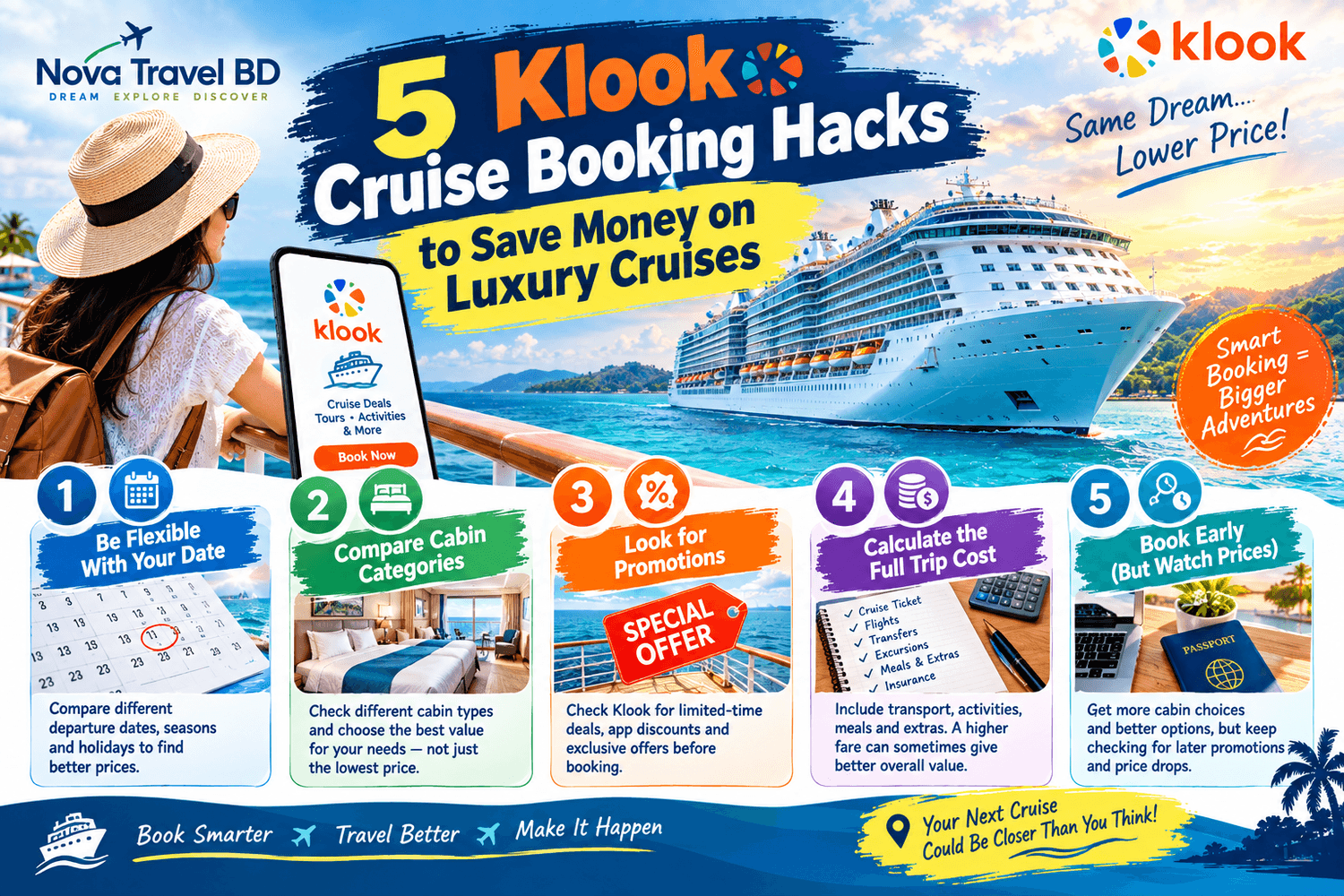
Luxury cruises can look expensive, especially when you start comparing premium cabins, popular routes, and onboard experiences. But smart booking can make a big difference.
If you are planning a cruise from Singapore or another Southeast Asian port, these 5 Klook cruise booking hacks can help you find better prices, avoid unnecessary costs, and get more value from your trip.
1. Be Flexible With Your Cruise Date
One of the easiest ways to save money is to avoid booking the first available date you see.
Cruise prices can vary depending on:
Departure day
Travel season
School holidays
Public holidays
Cabin availability
Special promotions
If your schedule allows, compare several departure dates before booking.
A cruise that looks expensive on one weekend may be considerably better value on another date.
Tip: Search multiple dates and compare the total price rather than focusing only on the advertised starting price.
2. Compare Cabin Categories Before Paying
A common mistake is choosing the cheapest cabin immediately.
Instead, compare the available cabin types. Sometimes the difference between an interior cabin and a balcony cabin may be smaller than expected during a promotion.
At other times, the cheapest cabin may offer the best value if you plan to spend most of your time exploring the ship.
Think about what matters to you:
Interior cabin for maximum savings
Ocean-view cabin for natural light
Balcony cabin for private views
Suite for extra space and premium comfort
The cheapest cruise ticket isn't always the cheapest overall vacation, so compare what is included.
3. Watch for Promotions Before Booking
Travel platforms such as Klook may feature promotional prices, limited-time offers, app deals, or other discounts depending on the destination and booking period.
Before completing your purchase, check whether a current offer applies to your cruise.
Also compare the final checkout price instead of assuming that the first displayed price is the best available deal.
Smart rule: Don't rush. Check the current promotion, booking conditions, cancellation rules, and final amount before paying.
4. Calculate the Full Trip Cost
A low cruise fare can become expensive when you add transportation, activities, transfers, and other extras.
Before booking, create a simple budget:
Cruise ticket + transport + shore activities + meals/extras + travel insurance = estimated trip cost
This is especially important for luxury cruises.
You may discover that a slightly more expensive cruise with better inclusions actually gives you better value than a cheaper ticket with many additional expenses.
If you are also booking tours or activities through Klook, comparing the complete travel plan can make budgeting easier.
5. Book Early—But Keep Watching Prices
Popular cruises can become more expensive as cabins sell out, particularly during peak travel periods.
Booking early can give you:
More cabin choices
Better itinerary options
More flexibility for families
More time to arrange flights and hotels
Access to promotions when available
However, booking early doesn't mean you should stop checking prices.
If your booking terms allow changes or cancellation, keep an eye on later promotions and understand the applicable conditions.
Never cancel or rebook simply because you see a lower advertised price without checking the rules first.
Can You Really Get a Luxury Cruise for Half Price?
Sometimes travelers find major discounts through promotions, flexible dates, or limited-time offers—but 50% savings are not guaranteed.
The real goal should be finding the best total value, not chasing a specific discount percentage.
A smart cruise booking strategy combines:
Flexible dates + cabin comparison + promotions + full-cost budgeting + early planning
That approach can potentially save much more than simply searching for the cheapest ticket.
Final Thoughts
Luxury cruise travel doesn't always have to mean an unlimited budget.
By comparing dates, checking cabin options, watching available Klook promotions, calculating the full trip cost, and booking strategically, you can make your cruise vacation significantly more affordable.
Whether you're planning a Singapore cruise, a Southeast Asia cruise, or a family cruise vacation, spending a few extra minutes comparing your options can make a big difference.
Travel smart, compare carefully, and focus on value—not just the headline price.
Quick Klook Cruise Booking Checklist
✓ Compare multiple cruise dates
✓ Check different cabin categories
✓ Look for current promotions
✓ Calculate the complete trip cost
✓ Review cancellation and booking conditions
✓ Book early when the itinerary is popular
✓ Compare the final price before payment
How to Plan a Family Cruise Vacation in Southeast Asia via Klook (Step-by-Step)
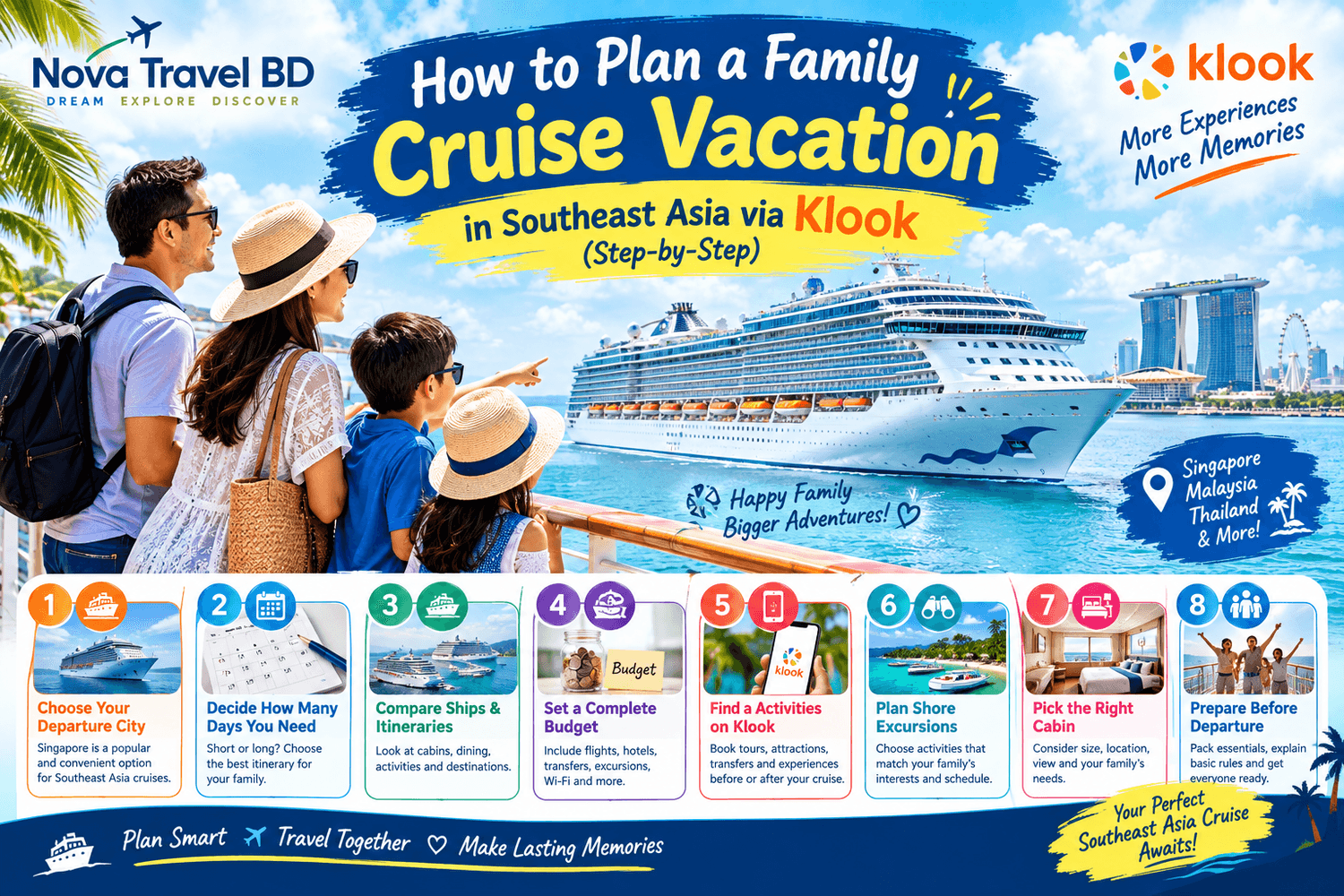
Planning a family cruise vacation in Southeast Asia can seem complicated when you have to choose the right ship, destination, cabin, dates, and activities.
The good news is that you can simplify the process by planning your trip step by step and using travel platforms such as Klook to research available experiences and activities.
Whether you are traveling with young children, teenagers, or grandparents, this guide will help you build a practical Southeast Asia family cruise itinerary.
Step 1: Choose Your Cruise Departure City
Start by deciding where you want your cruise to begin.
Singapore is one of the most convenient starting points for a Southeast Asia cruise because it is well connected internationally and offers access to popular regional itineraries.
Other cruise departure options may also be available depending on the cruise line and sailing schedule.
Before booking, consider:
Flight availability
Hotel costs
Airport transfers
Cruise departure time
Number of pre-cruise nights
For international families, arriving one day before the cruise can provide extra protection against flight delays.
Step 2: Decide How Many Days Your Family Needs
Not every family needs a long cruise.
A short cruise can be a good introduction for first-time travelers, while a longer itinerary may provide more time to explore multiple destinations.
Think about your family's:
Vacation time
Budget
Children's ages
Preferred destinations
Comfort with longer travel
A simple 3–5 day cruise vacation can be a practical starting point for families trying cruising for the first time.
Step 3: Compare Cruise Ships and Itineraries
Do not choose a cruise based only on the ship's name or the lowest ticket price.
Compare the itinerary, cabin options, dining, family facilities, entertainment, and destinations.
For a family cruise vacation, check whether the ship offers activities that suit everyone in your group.
Parents may want relaxing spaces, while children may prefer pools, entertainment, and activities.
The best cruise is usually the one that matches your family's interests—not necessarily the biggest or cheapest ship.
Step 4: Set a Complete Family Cruise Budget
Your cruise fare is only one part of the total vacation cost.
Create a budget that includes:
Cruise tickets
Flights
Hotel
Airport transfers
Travel insurance
Meals outside the cruise
Shore excursions
Wi-Fi
Optional onboard activities
Shopping and souvenirs
When looking for family cruise deals, compare the total expected cost rather than focusing only on the advertised starting fare.
Step 5: Research Activities and Experiences on Klook
Klook can be useful when planning activities before or after your cruise.
Depending on your destination and availability, you may find attractions, tours, transfers, tickets, and other travel experiences.
For example, if your cruise stops in Singapore, Malaysia, or Thailand, you can research activities in advance and decide which experiences are suitable for your family.
This can save time during the trip because you already know what you want to do at each destination.
Step 6: Plan Your Shore Excursions Carefully
A cruise may give you only a limited number of hours at each port.
That means you should avoid trying to see everything in one day.
Choose activities based on your family's interests and energy levels.
For families with young children, shorter activities with easy transportation may be more comfortable.
For older children and teenagers, adventure activities, sightseeing, shopping, or cultural experiences may be more appealing.
Most importantly, always keep the ship's departure time in mind.
Step 7: Choose the Right Cabin
Your cabin can have a major impact on your family's comfort.
Consider:
Number of travelers
Cabin size
Bed configuration
Balcony requirements
Location on the ship
Accessibility needs
Total price
A balcony cabin can provide a more open experience, while an interior cabin may help keep the cruise vacation budget lower.
Choose based on how your family plans to use the cabin rather than simply choosing the most expensive option.
Step 8: Prepare Your Family Before Departure
First-time family cruisers should know what to expect before boarding.
Explain the basics to children:
The ship is very large
Everyone should know the cabin number
Parents should know where children are at all times
Safety instructions must be followed
The ship has fixed departure times
Pack essential documents, medication, comfortable clothing, swimwear, walking shoes, and a small carry-on bag.
A Simple Southeast Asia Family Cruise Plan
Here is a simple example of how you could structure your trip:
Day 1: Arrive in Singapore and stay overnight
Day 2: Explore Singapore and prepare for boarding
Day 3: Board the cruise and enjoy the ship
Day 4: Explore the first port destination
Day 5: Enjoy another destination or onboard activities
Day 6: Return to Singapore and continue your journey home
Your actual itinerary will depend on the cruise line, sailing dates, and available route.
Why Planning Early Helps Families
Families have more travel details to coordinate than solo travelers.
Booking and planning earlier can give you more time to compare:
Cruise dates
Cabin categories
Flights
Hotels
Shore excursions
Family activities
It also gives everyone in the family a chance to understand the trip before departure.
Final Thoughts
A successful Southeast Asia family cruise does not require complicated planning.
Start with your departure city, choose a suitable itinerary, create a complete budget, compare cabins, and research family-friendly activities before you travel.
Using platforms such as Klook to research destination activities can make your planning process easier, while careful comparison of cruise options can help you find a trip that fits your family's budget and interests.
Most importantly, leave some room for relaxation. A family cruise is not just about visiting as many destinations as possible—it is about enjoying the journey together.
First Time on a Cruise Ship? Everything You Need to Pack and Know Before Boarding

Taking your first cruise can feel exciting—and a little confusing. Unlike a regular flight or hotel vacation, a cruise combines transportation, accommodation, dining, entertainment, and multiple destinations in one trip.
If you are planning your first cruise vacation, knowing what to pack and what to expect before boarding can make the entire experience much easier.
Here is a practical cruise packing list and first-time cruise guide to help you prepare.
What Should You Pack for Your First Cruise?
You do not need to pack your entire wardrobe. Focus on items that match your itinerary, weather, and planned activities.
1. Travel Documents
Keep your essential documents somewhere easily accessible.
Depending on your cruise and itinerary, you may need:
Passport
Cruise booking confirmation
Required visas or travel documents
Travel insurance details
Emergency contact information
Flight and hotel information
Do not place important documents in checked luggage that you may not have immediate access to.
2. Comfortable Clothing
Cruise vacations usually involve a lot of walking, so comfortable clothing is essential.
Pack a combination of:
Casual daytime clothes
Comfortable walking shoes
Swimwear
Light layers
Sleepwear
Evening outfits
Weather-appropriate clothing
If your cruise visits several destinations, check the expected weather for every port before packing.
3. Toiletries and Personal Essentials
Most cruise ships provide basic toiletries, but bringing your preferred personal products can be more convenient.
Consider packing:
Toothbrush and toothpaste
Skincare products
Sunscreen
Prescription or essential medication
Personal hygiene products
Small travel-size toiletries
Keep essential medication in your carry-on rather than your checked luggage.
4. A Small Carry-On Bag Is Extremely Useful
One of the most useful cruise packing tips for beginners is to carry a small day bag when boarding.
Your checked luggage may take some time to reach your cabin.
Keep essentials such as:
Passport and documents
Phone and charger
Medication
Wallet
Basic toiletries
Swimwear
A change of clothes
in your carry-on.
This allows you to start enjoying the ship while waiting for your main luggage.
What Should You Know Before Boarding?
Packing is only one part of preparing for your first cruise.
There are several important things to understand before reaching the port.
1. Complete Online Check-In Early
Many cruise lines allow passengers to complete check-in before arriving at the port.
Complete the process as early as possible and keep your boarding information ready.
This can help reduce unnecessary delays on embarkation day.
2. Arrive at the Port With Enough Time
Never plan to arrive at the cruise terminal at the last possible moment.
Traffic, transportation delays, security checks, and port procedures can take longer than expected.
If you are taking a Singapore cruise, consider arriving in Singapore before your cruise departure day if your schedule allows.
This provides an extra buffer in case your flight or transportation is delayed.
3. Understand Your Cabin
Once you board, find your cabin and familiarize yourself with the location.
Check where you can find:
Emergency information
Muster or safety instructions
Dining areas
Elevators
Guest services
Pools and entertainment areas
Knowing the ship's layout early can make your first day much easier.
4. Pay Attention to the Safety Briefing
Every cruise passenger should understand the ship's emergency procedures.
Pay attention to the safety instructions and know where your designated assembly area is located.
It may not be the most exciting part of your cruise, but it is an important part of being prepared.
5. Check What Is Included in Your Cruise Fare
Do not assume everything onboard is included in the ticket price.
Depending on your cruise, additional charges may apply to:
Specialty restaurants
Certain beverages
Wi-Fi packages
Shore excursions
Spa services
Selected onboard activities
Understanding the inclusions before departure can help you manage your cruise vacation budget.
What Should You Do on Your First Day?
Your first day on a cruise can feel overwhelming because the ship is large and there is a lot happening.
Instead of trying to do everything immediately, take some time to explore.
Find your dining area, check the daily schedule, locate important facilities, and learn how to access information about activities and events.
Then relax and enjoy the beginning of your cruise.
Simple First-Time Cruise Checklist
Before leaving home, make sure you have:
☑ Passport and required travel documents
☑ Cruise booking confirmation
☑ Travel insurance information
☑ Essential medication
☑ Comfortable clothing
☑ Walking shoes
☑ Swimwear
☑ Sunscreen
☑ Phone and charger
☑ Carry-on bag
☑ Important booking information
☑ Payment card and some emergency cash
Final Thoughts
Your first cruise does not have to be stressful.
A good cruise packing list, early check-in, proper travel documents, comfortable clothing, and a little knowledge about the ship can make your first cruise vacation much smoother.
Whether you are planning a Singapore cruise, a Southeast Asia cruise, or a longer international itinerary, preparing before boarding allows you to spend less time worrying and more time enjoying the journey.
The best cruise preparation is simple: pack smart, arrive early, understand your itinerary, and enjoy the experience.
7 Critical Mistakes First-Time Cruise Travelers Make (And How to Avoid Them)
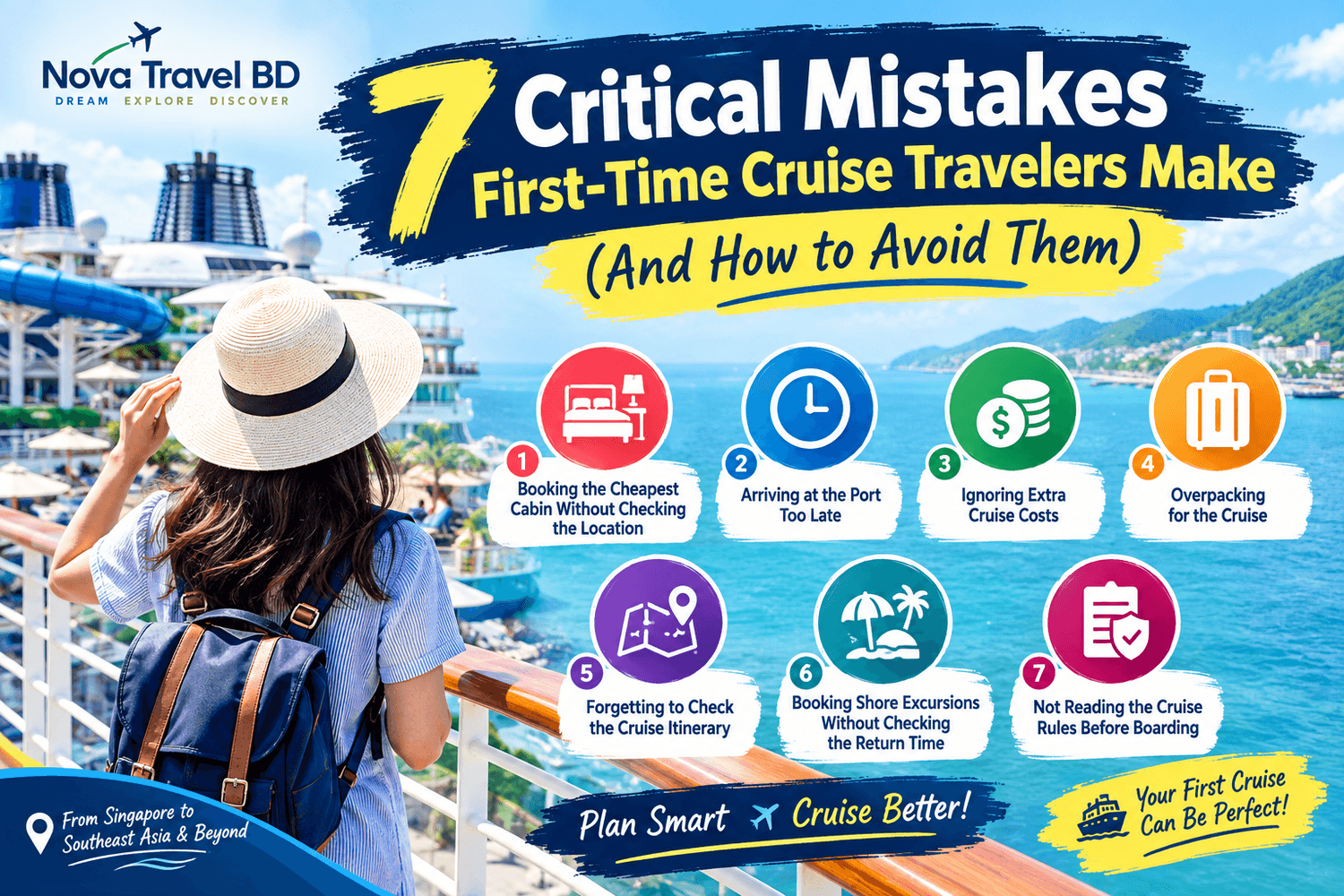
Your first cruise vacation can be exciting, but a few simple mistakes can make the trip stressful or more expensive than expected.
Whether you are planning a Singapore cruise, a Southeast Asia cruise, or your first international cruise vacation, knowing what to avoid can save you time, money, and unnecessary headaches.
Here are seven common first-time cruise mistakes and how to avoid them.
1. Booking the Cheapest Cabin Without Checking the Location
A low-priced cabin may look like a great deal, but cabin location matters.
Some travelers prefer cabins in the middle of the ship because they may experience less movement there. Others may prefer a balcony or a cabin closer to specific facilities.
Before booking your cruise cabin, check the ship's deck plan and understand exactly where your cabin is located.
Tip: Compare cabin location, size, view, and included benefits—not just the price.
2. Arriving at the Port Too Late
One of the biggest mistakes first-time cruise travelers make is treating cruise departure like a normal flight.
Cruise ships operate on strict schedules. If you arrive late at the port, the ship may not wait for you.
Plan your transportation carefully and allow extra time for traffic, airport delays, transfers, and port procedures.
For a Singapore cruise, arriving in Singapore early can also give you a buffer before embarkation.
3. Ignoring Extra Cruise Costs
The advertised cruise fare is not necessarily your complete vacation budget.
Depending on the cruise, additional expenses may include:
Port charges and taxes
Wi-Fi packages
Shore excursions
Specialty dining
Drinks
Transfers
Travel insurance
Onboard activities
Always check what is included before completing your cruise ticket booking.
A slightly more expensive fare can sometimes provide better overall value if it includes benefits you would otherwise purchase separately.
4. Overpacking for the Cruise
First-time cruisers often pack far more than they actually need.
Instead of taking your entire wardrobe, check the expected weather, itinerary, and dress requirements before packing.
A practical cruise packing list should usually include comfortable clothing, swimwear, walking shoes, travel documents, essential medications, and appropriate evening clothing.
Pack smart and leave some space for souvenirs.
5. Forgetting to Check the Cruise Itinerary
Not every cruise offers the same experience.
Two cruises may depart from the same city but visit completely different destinations.
Before booking, carefully check:
Departure and arrival ports
Port destinations
Number of days
Time spent at each destination
Sea days
Excursion opportunities
If you want to explore multiple destinations, a well-planned Southeast Asia cruise itinerary can make a huge difference to your vacation.
6. Booking Shore Excursions Without Checking the Return Time
Exploring a destination during a cruise is exciting, but you must keep the ship's departure time in mind.
If you explore independently, allow plenty of extra time to return to the port.
When booking a shore excursion, check the duration and transportation arrangements carefully.
Important: Never assume the ship will wait if you return late.
7. Not Reading the Cruise Rules Before Boarding
Every cruise line can have its own rules regarding luggage, prohibited items, check-in, dining, drinks, documents, and onboard services.
Reading the official cruise information before departure can prevent problems at the port.
Keep your important travel documents easily accessible and complete online check-in when available.
How to Make Your First Cruise Easier
A little preparation can make your first cruise much more enjoyable.
Before your trip:
1. Compare cruise options
Look at different ships, routes, dates, and cabin categories.
2. Calculate the complete budget
Include the cruise fare plus possible onboard and travel expenses.
3. Check your documents
Make sure your passport and other required travel documents are valid for your itinerary.
4. Plan your arrival
Give yourself enough time to reach the departure port.
5. Pack according to the itinerary
Check weather, destinations, and dress requirements.
6. Save important information offline
Keep booking details, travel documents, and emergency contacts accessible even without internet.
Final Thoughts
Your first cruise does not need to be complicated.
The biggest first-time cruise mistakes are usually easy to avoid when you research the ship, understand the total cost, arrive early, choose your cabin carefully, and check your itinerary before booking.
Whether you are searching for a Singapore cruise, a family cruise vacation, or a Southeast Asia cruise, proper preparation can help you enjoy a smoother and more memorable journey.
Before you book, compare your options carefully and choose a cruise that matches your budget, schedule, and travel style.
Spectrum of the Seas vs. Genting Dream: Which Asia Cruise is Worth Your Money in 2026?

Planning an Asia cruise vacation in 2026 and wondering whether to choose Spectrum of the Seas or Genting Dream? Both are popular cruise options sailing from Singapore, but they offer different experiences for families, couples, and first-time cruise travelers.
Before booking your cruise ticket, it is worth comparing the ships, onboard experience, entertainment, family facilities, and overall value.
Here is a practical Spectrum of the Seas vs. Genting Dream comparison to help you decide.
Spectrum of the Seas vs. Genting Dream: Quick Comparison
FeatureSpectrum of the SeasGenting DreamCruise LineRoyal CaribbeanResorts World CruisesDeparture OptionsSingapore and selected Asian itinerariesSingapore and selected Asian itinerariesBest ForFamilies, first-time cruisers & entertainmentCouples, families & short getawaysShip ExperienceLarge resort-style cruiseLarge Asian cruise experienceEntertainmentExtensiveExtensiveDiningMultiple optionsMultiple optionsFamily ExperienceExcellentVery GoodOverall StyleActivity-focused & premiumRelaxed & convenient
1. Spectrum of the Seas: What Makes It Special?
Spectrum of the Seas is a Quantum Ultra Class cruise ship from Royal Caribbean. It is designed to provide a wide range of entertainment, dining, and activities onboard.
For travelers who want the cruise ship itself to be a major part of the holiday, Spectrum of the Seas can be an excellent choice.
It is particularly appealing to families and travelers who enjoy having plenty of things to do without leaving the ship.
Spectrum of the Seas may be ideal for:
Family cruise vacations
First-time cruise travelers
Families with children and teenagers
Travelers who enjoy large cruise ships
Travelers looking for extensive onboard entertainment
2. Genting Dream: A Different Cruise Experience
Genting Dream, operated by Resorts World Cruises, is another popular option for travelers looking for a Singapore cruise experience.
The ship combines dining, entertainment, leisure, and relaxation, making it suitable for both short getaways and family holidays.
If you prefer a convenient cruise vacation with a relaxed atmosphere, Genting Dream can be worth considering.
Genting Dream may be ideal for:
Couples
Families
Short cruise vacations
Singapore-based travelers
Travelers looking for a relaxed cruise experience
3. Which Cruise Is Better for Families?
Both ships can work well for families, but the right choice depends on what your family enjoys.
If your children or teenagers want a wider variety of activities and entertainment, Spectrum of the Seas may be more attractive.
If your family prefers a combination of dining, relaxation, entertainment, and a straightforward holiday experience, Genting Dream may be a better fit.
When comparing a family cruise vacation, always check the current itinerary and the facilities included with your specific sailing.
4. Which Cruise Offers Better Value for Money?
The cheapest advertised cruise fare is not always the cheapest overall trip.
Your final cruise budget may include:
Cruise fare
Port charges
Taxes
Dining upgrades
Wi-Fi
Shore excursions
Travel insurance
Transportation
Optional onboard activities
Therefore, when searching for cheap cruise tickets in Singapore, compare the total trip cost rather than looking only at the starting fare.
Different sailing dates and cabin categories can also have significant price differences.
5. Spectrum of the Seas or Genting Dream for First-Time Cruisers?
If this is your first cruise, choosing the right ship can make the experience much easier and more enjoyable.
Spectrum of the Seas is appealing if you want a large-ship experience with numerous onboard activities and entertainment options.
Genting Dream may suit travelers who want a convenient and relaxed Southeast Asia cruise experience.
Before completing your cruise ticket booking, check:
Cabin type
Sailing dates
Cruise itinerary
Included meals
Port charges
Cancellation policy
Additional onboard costs
These details can make a significant difference to your overall budget.
6. Which Cruise Should You Choose?
There is no single winner for every traveler.
Choose Spectrum of the Seas if you want:
Extensive onboard entertainment
A family-focused cruise experience
More activities throughout the ship
A large resort-style cruise experience
A cruise where the ship itself is part of the attraction
Choose Genting Dream if you want:
A relaxed cruise holiday
Convenient Singapore cruise options
A short getaway
A mix of leisure and entertainment
A straightforward Southeast Asia cruise experience
Final Verdict
The choice between Spectrum of the Seas vs. Genting Dream ultimately depends on your budget, travel dates, preferred cabin, itinerary, and the type of holiday you want.
For families and travelers who prioritize extensive onboard activities, Spectrum of the Seas can be an attractive option.
For travelers looking for a convenient and relaxed Singapore-based cruise experience, Genting Dream may be worth considering.
Before booking, compare sailing dates, cabin categories, inclusions, and the total cost of the trip. A little research can help you find better Singapore cruise deals and choose the cruise that offers the best value for your travel style.
Planning an Asia cruise vacation? Compare your options carefully before booking, and choose the itinerary that fits your budget and travel plans.
10 Singapore, Qatar & Dubai Transit Flight Mistakes That Can Ruin Your Trip — And How to Avoid Them
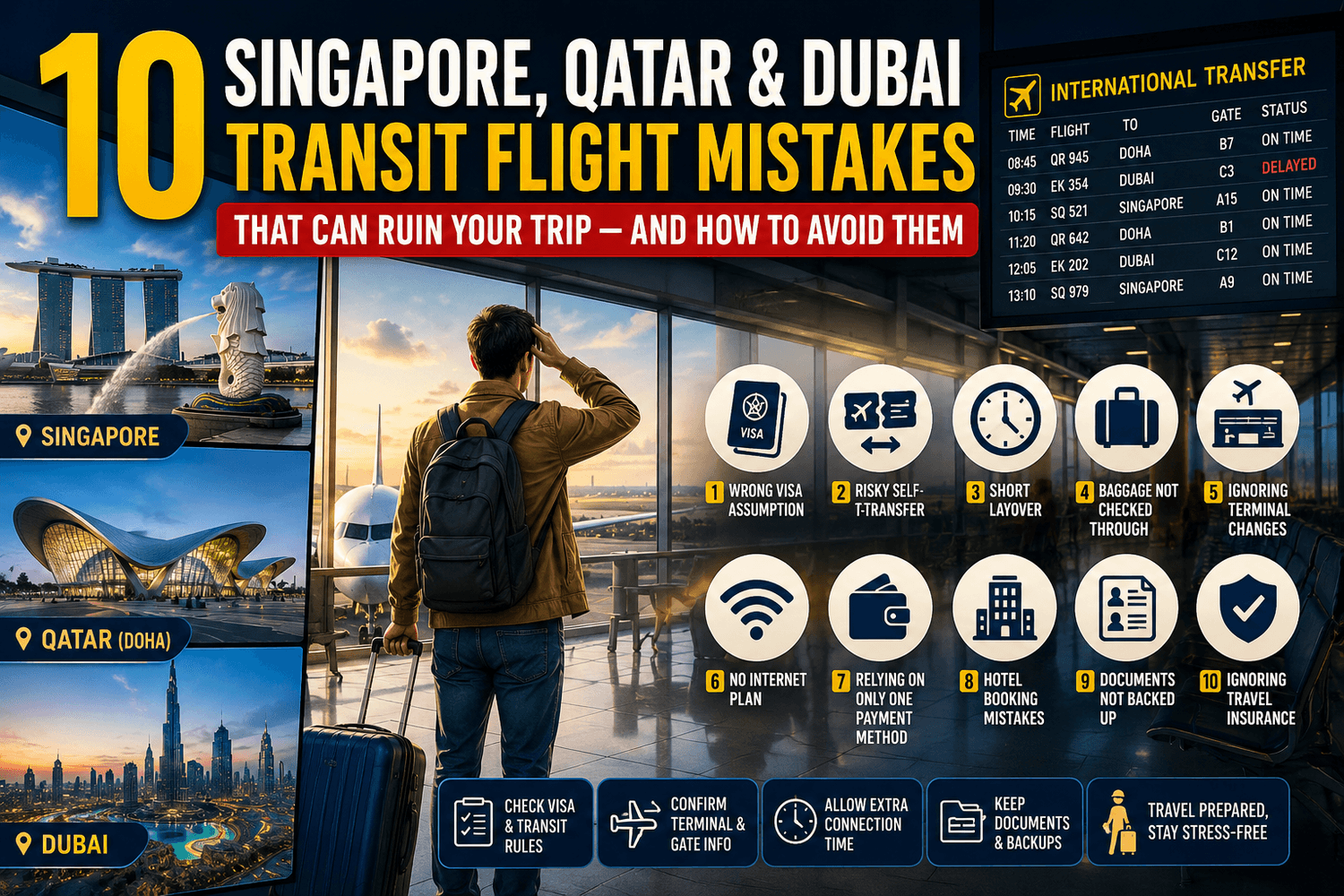
10 Singapore, Qatar & Dubai Transit Flight Mistakes That Can Ruin Your Trip — And How to Avoid Them
A cheap international flight can look like a great deal—until you realize you have a long transit, a terminal change, a baggage problem, or a document requirement you never checked.
For travelers flying through major hubs such as Singapore, Qatar, or Dubai, transit can be an easy part of the journey when planned correctly. But one small mistake can turn a simple connection into hours of stress.
This guide covers 10 common transit flight mistakes and how to avoid them, whether you are flying through Singapore, Doha, or Dubai.
Important: Transit and entry requirements can change. Always verify the latest requirements with the relevant airline, airport, and official government or immigration sources before traveling.
1. Assuming “Transit” Always Means You Don't Need a Visa
This is one of the most dangerous assumptions travelers make.
People often think:
“I'm only changing planes, so I don't need to worry about immigration or visas.”
That is not always true.
Whether you need a transit visa, entry permission, or other documentation can depend on your nationality, destination, airport, length of connection, terminal arrangements, baggage situation, and whether you need to pass through immigration.
The rules can also be different for Singapore, Qatar, and the UAE.
How to avoid it
Before booking your flight, check:
Your passport requirements
Transit requirements
Whether you remain airside
Whether you need to pass immigration
Whether you need to collect your baggage
Whether your connecting airport requires a terminal transfer
Whether your final destination requires additional documents
Never rely on a social media comment or an old travel post for immigration rules.
2. Booking a Self-Transfer Without Understanding the Risk
A self-transfer can sometimes make a flight much cheaper.
For example, you may book:
Dhaka → Dubai
and separately:
Dubai → Europe
The problem is that these may be completely separate bookings.
If the first flight is delayed and you miss the second flight, the second airline may not be responsible for your missed connection.
You may also have to collect your baggage, leave the secure transit area, clear immigration, check in again, and go through security.
How to avoid it
Before booking separate tickets, find out:
Whether baggage will be transferred
Whether you need to enter the country
Whether you need a visa
How much connection time you actually have
What happens if the first flight is delayed
Whether you need to change terminals or airports
A flight that saves money but creates a risky connection may not actually be a bargain.
3. Choosing a Very Short Transit Time
A 90-minute connection can look perfect on a booking website.
But airports are not always predictable.
You may need to:
Walk a long distance
Take an airport train
Pass transit security
Change terminals
Wait for a connection bus
Deal with a delayed first flight
Find your gate in a large airport
Major hubs such as Singapore, Doha, and Dubai can be busy and physically large.
How to avoid it
Do not choose a connection based only on the shortest possible time.
Consider:
Flight delay risk + airport size + terminal movement + transfer procedure + personal mobility + baggage arrangements.
If two flights have similar prices, a comfortable connection may be worth more than saving a little time.
4. Not Checking Whether Your Baggage Is Checked Through
This mistake can create serious problems during transit.
Some passengers assume:
“My luggage will automatically go to my final destination.”
That may be true on some itineraries—but not all.
Separate tickets, codeshare arrangements, airline combinations, and self-transfers can work differently.
How to avoid it
At the first airport, ask the airline:
“Is my baggage checked through to my final destination?”
Then check your baggage tag.
If the tag shows your final destination airport, that is a useful indication that the bag has been tagged through—but always follow the airline's instructions.
If you need to collect your luggage during transit, you may need to go through additional procedures.
5. Ignoring Terminal Changes
You may see:
Arrival: Terminal A
Departure: Terminal B
and assume the terminals are next to each other.
They may not be.
Some airports have multiple terminals, different concourses, internal trains, shuttle buses, or separate procedures for transferring passengers.
Singapore
Singapore Changi Airport is known for its connected terminal system, but you should still check your specific flight, terminal, gate, and transfer instructions.
Doha
Hamad International Airport is a major international hub, and passengers may need to walk considerable distances between areas.
Dubai
Dubai International Airport has multiple terminals and transfer arrangements can vary depending on the airlines and itinerary.
How to avoid it
Before your trip, check:
Arrival terminal
Departure terminal
Transfer route
Gate information
Minimum connection time
Whether a terminal transfer is required
Do not wait until you land to start figuring this out.
6. Arriving Without Internet During Transit
Imagine landing after a long flight and discovering that your mobile data does not work.
You may need to check:
Your next flight
Gate changes
Airport maps
Airline messages
Hotel information
Transport details
Digital travel documents
That is why internet access can be extremely useful during international travel.
How to avoid it
Before leaving home, consider arranging:
Travel eSIM
International roaming
Airport Wi-Fi as a backup
Offline maps
Offline copies of important documents
If your phone supports eSIM, setting up a travel data plan before departure can make your arrival much easier.
7. Spending Your Transit Time in the Wrong Way
A long layover does not automatically mean you should leave the airport.
Some travelers see an 8–12 hour transit and immediately plan a city tour.
But leaving the airport can introduce additional requirements and risks.
You may need to consider:
Entry requirements
Immigration procedures
Transportation time
Airport return time
Security screening
Traffic
Your next flight's check-in requirements
How to avoid it
If you want to leave the airport during a long layover, first confirm that you are legally permitted to enter the country and that you have enough time for the complete round trip.
For a short layover, staying inside the airport may be the smarter choice.
8. Forgetting That Airport Security Happens Again
Some travelers think:
“I already passed security at my departure airport, so I'm done.”
Transit security procedures can vary by airport and itinerary.
You may have to go through another security screening before reaching your connecting gate.
Liquids, electronics, and other carry-on items can therefore become important.
How to avoid it
Keep your carry-on organized.
Place frequently inspected items where they are easy to access, and follow the security instructions at the transit airport.
Do not assume the security rules will be exactly the same as the airport you departed from.
9. Keeping Your Important Documents Only on Your Phone
A dead battery can become a serious problem if all your travel information exists only on your phone.
Imagine your phone runs out of power while you are trying to find:
Your next flight
Booking confirmation
Hotel address
Travel insurance
Passport copy
Emergency contact
How to avoid it
Keep important information in more than one format.
Carry your original passport and required documents, while also keeping secure digital copies of important records.
A power bank can also be useful during a long international journey.
For especially important information, having an offline copy can provide an extra layer of protection.
10. Not Confirming the Connection Before Leaving Home
This is perhaps the simplest mistake—and one of the most avoidable.
Travelers sometimes book a flight weeks or months in advance and never check the itinerary again until travel day.
Schedules can change.
Flight numbers can change.
Departure times can change.
Terminal information can change.
How to avoid it
Before leaving for the airport, review your complete itinerary:
Departure → Transit Airport → Connecting Flight → Final Destination
Check:
Flight number
Date
Departure time
Arrival time
Connection time
Terminal
Baggage allowance
Airline instructions
Required travel documents
A five-minute check before leaving home can prevent hours of confusion later.
Singapore vs Qatar vs Dubai Transit: What Should You Pay Attention To?
Each major hub can offer a different transit experience.
🇸🇬 Singapore Transit
Pay particular attention to:
Your terminal and transfer route
Whether you remain in the transit area
Baggage arrangements
Connection time
Any entry requirements if you plan to leave the airport
Singapore is often used as a major connecting hub for travelers heading toward Southeast Asia, Australia, and other international destinations.
🇶🇦 Qatar Transit
For travelers connecting through Doha, pay attention to:
Connection time
Transfer directions
Terminal/gate information
Baggage arrangements
Transit and entry requirements
Airline-specific instructions
Doha is a major connecting point between Asia, the Middle East, Europe, Africa, and the Americas.
🇦🇪 Dubai Transit
For Dubai connections, pay particular attention to:
Which Dubai airport your flight uses
Terminal information
Airline combination
Baggage transfer
Whether your itinerary is a single booking or separate tickets
Immigration requirements if you need to leave the airport
Do not assume every Dubai flight connection works the same way.
The Golden Rule of International Transit
Before booking a transit flight, ask yourself five questions:
1. Do I need a visa or other permission for transit?
2. Will my baggage go directly to my final destination?
3. Do I need to change terminals?
4. Is my connection time comfortable?
5. What happens if my first flight is delayed?
If you cannot answer these questions, do not book the flight yet.
Take a few minutes to verify the details.
Smart Transit Checklist
Save this checklist before your next international flight:
☐ Passport validity checked
☐ Visa requirements checked
☐ Transit requirements checked
☐ Flight itinerary confirmed
☐ Connecting flight confirmed
☐ Baggage transfer confirmed
☐ Terminal information checked
☐ Connection time reviewed
☐ eSIM/mobile data prepared
☐ Important documents backed up
☐ Payment method prepared
☐ Airport transfer researched if leaving the airport
☐ Airline contact information saved
☐ Power bank charged
Final Thoughts
A transit flight does not have to be stressful.
The key is understanding that a connecting flight is not just two flights—it is one complete journey with several moving parts.
Singapore, Doha, and Dubai are major international aviation hubs, but every itinerary is different.
The smartest traveler is not necessarily the person who finds the absolute cheapest ticket.
It is the person who understands the total journey before clicking “Book.”
Check your documents. Understand your baggage arrangements. Give yourself enough connection time. Prepare your internet access. Know your terminals. And most importantly, verify the latest transit requirements before you travel.
A few minutes of preparation can save you from hours of unnecessary stress.
Travel smarter. Connect with confidence. Explore more with Nova Travel BD.
Exclusive Makkah Hotel Booking Offers: Plan Your Spiritual Journey with Nova Travel BD

Planning a journey to the holy city of Makkah is one of the most spiritually significant milestones in a Muslim's life. Whether you are traveling for Umrah or Hajj, your primary focus should be on your prayers and devotion. However, finding the right accommodation near Masjid al-Haram at an affordable rate can often become a stressful task.
At Nova Travel BD, we believe that your spiritual focus shouldn't be compromised by logistical worries. That is why we have launched our special Makkah hotel booking offers, designed to provide global travelers with maximum comfort, proximity to the Haram, and unmatched budget savings.
Why Booking Your Makkah Stay Early Matters
Makkah welcomes millions of pilgrims year-round. Due to this massive demand, hotel prices near the central area fluctuate rapidly. Booking your stay through a trusted partner like Nova Travel BD ensures you lock in premium rooms before peak season price hikes.
1. Proximity and Convenience
Walking long distances after performing Tawaf or during the crowded prayer times can be physically exhausting, especially for elderly family members. Our curated list of hotels features options located just steps away from the courtyard of Masjid al-Haram, allowing you to catch every obligatory prayer with ease.
2. Tailored to Your Budget
Every pilgrim’s journey is unique, and so is their budget. Nova Travel BD offers a balanced portfolio of accommodations:
Luxury Stays: Premium 5-star hotels in the Abraj Al Bait (Clock Tower) complex with direct Haram or Kaaba views.
Economy Packages: Highly rated, clean, and comfortable 3-star and 4-star hotels that offer excellent shuttle services or short walking distances.
What is Included in Our Special Makkah Offers?
When you book your accommodation through Nova Travel BD, you are not just reserving a room; you are securing a seamless travel experience. Our limited-time packages include:
Discounted Nightly Rates: Exclusive corporate tariffs that are lower than standard online booking platforms.
Family-Friendly Layouts: Triple, quad, and interconnected rooms specifically designed for groups and families.
Complimentary Amenities: Free high-speed Wi-Fi, 24/7 room service, and complimentary breakfast options at select premium properties.
Flexible Cancellation Policies: Peace of mind with easy booking modifications in case your visa or flight schedules shift.
How to Claim Your Special Discount
Securing your ideal room in Makkah takes less than two minutes. Follow our streamlined booking process to secure the best rates today:
Click the official booking link below to view our active inventory.
Select your travel dates and specify the number of guests.
Choose your preferred hotel class (Luxury or Budget).
Confirm your reservation and let our dedicated support team handle the rest.
Don't let accommodation stress distract you from your blessings. Let Nova Travel BD manage your stay while you focus entirely on your Ibadah.
Click the link below to explore live room availability and activate your exclusive discount:
How to Skip the Long Ticket Lines at Major Attractions in Japan and Thailand Using Klook
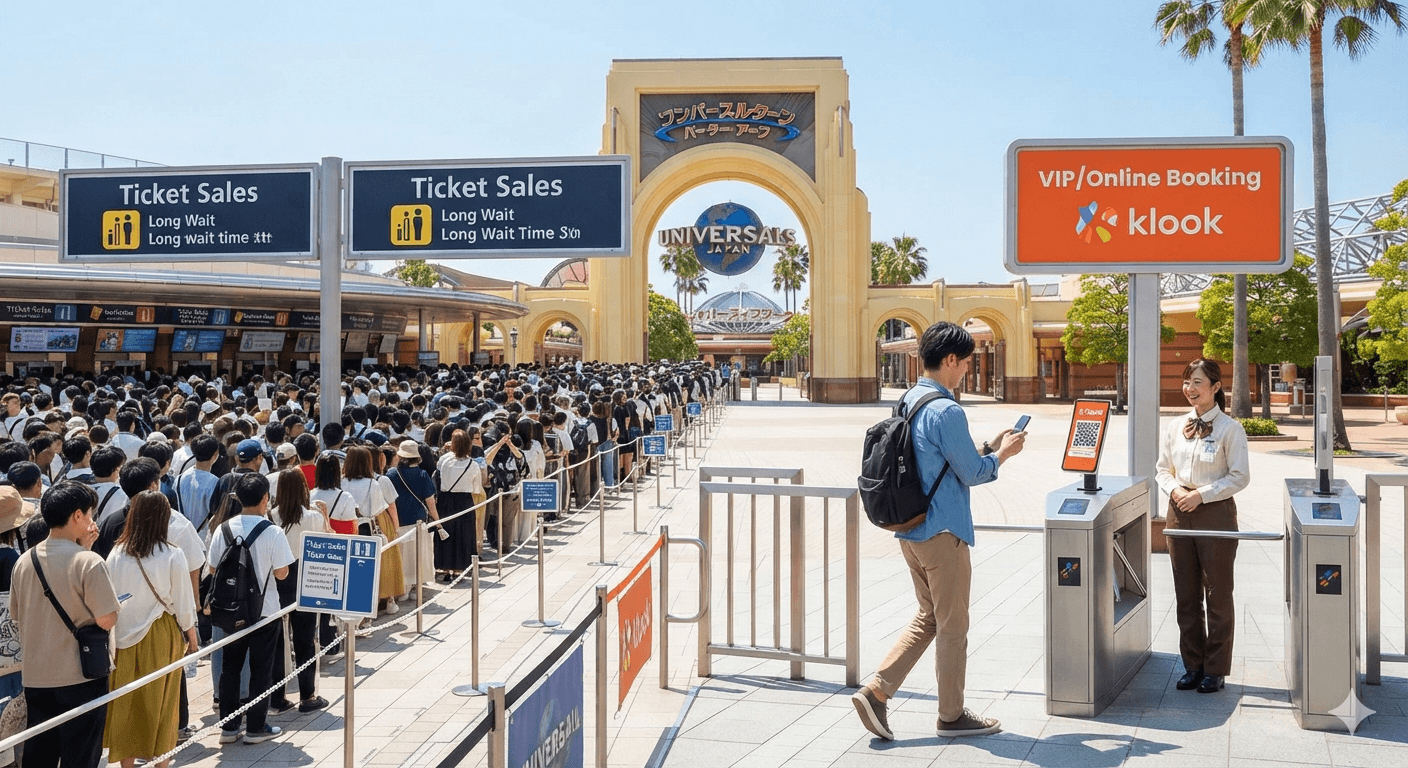
Picture this: You’ve finally landed in Tokyo or Bangkok. The weather is perfect, your excitement is through the roof, and you are ready to experience the vacation of your dreams. You arrive at the gates of Universal Studios Japan or the Mahanakhon SkyWalk, only to find a massive, snake-like queue stretching across the plaza.
Instead of riding rollercoasters or enjoying panoramic city views, you spend the next two hours standing under the hot sun or rain, shifting from foot to foot, watching your precious holiday time tick away.
Sounds like a nightmare, right? Sadly, this is reality for thousands of tourists every single day.
Major destinations in Japan and Thailand are seeing record-breaking crowds right now. But here is the good news: you don't have to be one of those tourists waiting in line. Today, the team at Nova Travel BD is sharing the ultimate travel hack: how to skip the long ticket lines at major attractions in Japan and Thailand using Klook.
The Hidden Cost of Buying Tickets at the Gate
Many travelers assume that buying tickets at the counter when they arrive is the safest bet. In reality, it is the biggest mistake you can make.
The Waiting Game: At popular spots like Tokyo Disneyland or Columbia Pictures Aquaverse in Pattaya, ticket counter lines can easily take 1 to 2 hours during peak seasons.
Sold Out Disappointment: High-demand attractions have strict daily capacity limits. If you show up at the gate without a booking, you might face a heartbreaking "Sold Out" sign.
Higher Prices: Physical ticket booths rarely offer discounts. You almost always pay the maximum retail price, plus potential foreign currency transaction fees if your card acts up.
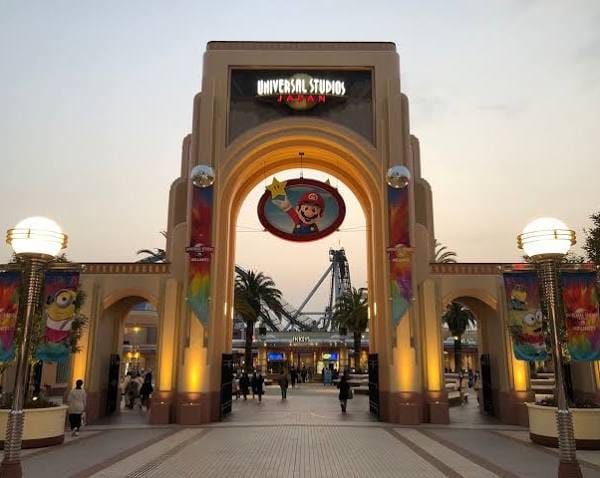
Enter Klook: Your VIP Pass to Hassle-Free Travel
Klook is Asia’s leading travel entertainment booking platform. Think of it as your digital concierge. Instead of physical paper tickets, Klook provides digital, QR-code-based entries directly to your phone.
By partnering with Klook, Nova Travel BD allows you to plan your entire itinerary, secure your entry spots, and unlock exclusive online discounts before you even pack your bags.
Here is exactly how you can use it to bypass the crowds in Asia's two hottest destinations.
🇯🇵 1. Bypassing the Crowds in Japan
Japan is famous for its efficiency, but its theme parks are so popular that lines are unavoidable—unless you book ahead.
Universal Studios Japan (Osaka)
If you want to enter Super Nintendo World or race on Mario Kart, you cannot just walk in. The park uses an Area Timed Entry system.
The Klook Hack: When you buy your Universal Studios Japan Studio Pass on Klook, you can pair it with an Express Pass. This combination completely bypasses the regular lines for major rides, cutting a 120-minute wait down to just 10 minutes.
teamLab Borderless & SHIBUYA SKY (Tokyo)
These are not traditional theme parks, but they are Tokyo's most viral attractions. Tickets for SHIBUYA SKY’s sunset slot sell out weeks in advance.
The Klook Hack: Klook allows you to select your exact entry date and time slot. When you arrive, you bypass the massive ticket purchase queue, walk straight to the elevator scanners, and head up to the roof.
🇹🇭 2. Fast-Tracking Your Adventure in Thailand
From skyscraper observation decks to tropical island speedboats, Thailand is all about relaxation. Don't ruin the vibe by queuing up.
Mahanakhon SkyWalk (Bangkok)
Walking across a glass floor 314 meters above Bangkok is an unforgettable experience, especially at sunset. However, the sunset ticket lines at the building's base are notoriously slow.
The Klook Hack: Buy your voucher on Klook Thailand Tours. You will receive an instant barcode on your phone. Walk past the ticket booths directly to the web-booking lane, scan, and ride the elevator up.
Island Cruises & Day Tours (Phuket/Pattaya)
Trying to negotiate a boat tour to the Phi Phi Islands or James Bond Island on the streets of Phuket is stressful. You risk hidden fees, unreliable operators, and poor safety standards.
The Klook Hack: Book your speed boat or catamaran tour on Klook in advance. Your booking includes clear hotel pick-up times, certified guides, and insurance. No haggling, no lines, no stress.
🚀 Step-by-Step: How to Use Klook Like a Pro
Ready to secure your spot? Follow this simple process to ensure a seamless trip:
Plan Your Dates Early: High-demand attractions in Japan open their booking windows 30 to 60 days in advance. Don't wait!
Book via Nova Travel BD: Click our official Klook partner links below to access the safest booking portal and get real-time price drops.
Download the Mobile App: Keep the Klook app on your phone. It stores all your vouchers offline so you don't even need internet access at the park gate.
Look for the "QR Code" Sign: When you arrive at the attraction, look for the lanes marked "E-Voucher," "Online Booking," or "Klook." Scan your phone screen at the turnstile and walk right in.
Final Thoughts: Time is Your Most Valuable Currency
Your vacation days are limited. Don't spend them standing on concrete pavements looking at the back of someone else's head. By securing your entry passes early, you buy yourself more time to enjoy food, take photos, and make memories.
Make your next trip smooth, smart, and stress-free.
👉 Click Here to Explore and Book Japan Theme Parks on Klook
👉 Click Here to Find the Best Thailand Attractions & Day Tours on Klook
Brought to you by Nova Travel BD. Your journey, perfected.
NASA & SpaceX Ticket Booking Guide: How to Travel to Space with Nova Travel BD
Want to know how to book a ticket to space? Read Nova Travel BD's ultimate guide on NASA and SpaceX space tourism, ticket costs, and booking agencies.
Have you ever looked up at the night sky and wondered what it would be like to float in zero gravity, looking back at our beautiful blue planet? For decades, going to space was a dream reserved only for highly trained government astronauts. But today, thanks to visionary companies like SpaceX and partnerships with NASA, space tourism is officially a reality!
If you are a tech enthusiast or a luxury traveler wondering how someone can actually book a ticket to space, Nova Travel BD brings you the ultimate guide to the future of cosmic travel.
Can You Directly Buy a NASA or SpaceX Ticket?
The short answer is: No, you cannot book a flight to space like you book a regular airline ticket.
• NASA does not sell tickets: NASA is a government space agency focused on science and exploration. However, they allow private citizens to visit the International Space Station (ISS) under strict commercial guidelines.
• SpaceX provides the rockets: Elon Musk's SpaceX builds and launches the spacecraft (like the Crew Dragon), but they usually partner with specialized space tourism agencies to handle the ticket bookings and training for private passengers.
How Private Citizens Actually Book a Flight to Space
If you have the budget and the dream, space travel currently happens through these official channels:
1. Axiom Space (The ISS Missions)
Axiom Space is the leading company arranging private missions to the International Space Station using SpaceX rockets. These missions (like Ax-1, Ax-2, and Ax-3) take 4-person crews into orbit for about 10–14 days.
• What's included: Full astronaut training, launch on a SpaceX Falcon 9 rocket, stay at the ISS, and a safe return to Earth.
2. Space Adventures
This is the legendary agency that sent the world’s very first private space tourists to orbit in the early 2000s. Today, they work closely with SpaceX to offer orbital missions that fly even higher than the ISS, offering breathtaking views of the Earth's curvature.
How Much Does a Space Ticket Cost?
Space travel is currently the ultimate luxury experience. A ticket for a multi-day orbital mission via a SpaceX rocket costs roughly $50 million to $55 million USD per seat. For suborbital flights (just touching the edge of space for a few minutes with other companies like Blue Origin or Virgin Galactic), prices range from $450,000 to $1 million USD.
What is the Training Process Like?
You don't need a PhD in astrophysics, but you must be physically fit. SpaceX passengers undergo several months of intense training. This includes centrifuge training (to get used to heavy G-forces), zero-gravity flights, emergency simulation, and learning how to live inside the Crew Dragon capsule.
The Future of Space Travel
While it is an exclusive club today, space tech is evolving rapidly. SpaceX is currently developing Starship, a massive rocket designed to carry up to 100 people at a time. The ultimate goal is to make space travel as accessible and affordable as international flights in the coming decades.
Final Thoughts
We might still be a few years away from booking weekend trips to the Moon, but the space revolution has officially begun! Until then, Nova Travel BD is here to keep your global earthly adventures seamless. Stay connected anywhere across the globe with our high-speed international eSIM solutions, grab the cheapest flight deals, and explore the planet smarter with us!
The Ultimate Guide to Europe Train Route Booking: Travel Smart with Nova Travel BD

Imagine watching the snow-capped Swiss Alps, rolling vineyards of Italy, or fairytale castles of Germany pass by your window while sipping a warm cup of coffee. Traveling Europe by train isn’t just a way to get from point A to point B—it’s an unforgettable experience itself.
If you are planning your dream European vacation, navigating the massive rail network can feel overwhelming. Don't worry! In this ultimate guide, Nova Travel BD breaks down everything you need to know about booking Europe train routes easily and affordably.
Why Choose Trains Over Flights in Europe?
While budget airlines seem tempting, trains are often the smarter choice for smart travelers:
• City Center to City Center: Airports are usually far outside the city, costing you extra time and taxi fare. Train stations are located right in the heart of the city.
• No Hidden Baggage Fees: Bring your bags without worrying about strict airline weight limits or extra charges.
• Eco-Friendly & Scenic: Train travel reduces your carbon footprint while offering breath-taking views you’d miss from an airplane.
Top European Train Networks to Know.
Before booking, it helps to know the major high-speed rail networks:
1. Eurostar: Connects London with Paris, Brussels, and Amsterdam through the famous Channel Tunnel.
2. TGV (France): Lightning-fast trains connecting Paris to almost every corner of France.
3. ICE (Germany): Extremely punctual and comfortable trains covering Germany and neighboring countries.
4. Trenitalia & Italo (Italy): Perfect for high-speed travel between Rome, Florence, Venice, and Milan.
Should You Buy a Eurail Pass or Point-to-Point Tickets?
This is the biggest question every traveler asks. Here is the golden rule:
• Choose a Eurail Pass if: You want absolute flexibility, plan to visit multiple countries over several weeks, and love spontaneous detours.
• Choose Point-to-Point Tickets if: Your itinerary is fixed, you are only visiting 2-3 specific cities, and you are booking several months in advance.
Pro Tips for Booking Cheap Train Tickets in Europe
• Book 3-4 Months in Advance: European train tickets work like airline tickets. The earlier you book, the cheaper they are.
• Use Trusted Booking Platforms: Websites like Omio, Rail Europe, or the official national railway apps (like DB Navigator or SNCF) are the best places to compare prices.
• Avoid Peak Hours: Trains during morning and evening rush hours (7 AM - 9 AM and 5 PM - 7 PM) are more expensive. Travel during mid-day to save money.
Final Thoughts
Booking train routes in Europe doesn't have to be complicated. With a little advance planning and the right tools, you can smoothly glide across borders and enjoy the journey of a lifetime.
Ready to plan your next global adventure? Stay connected effortlessly with Nova Travel BD’s international eSIM solutions, grab the cheapest flight deals, and let us help you explore the world smarter!
Goodbye Plastic, Hello Freedom: The Ultimate Guide to Using eSIM for International Travel
Imagine this scenario. You just stepped off a grueling 12-hour flight and landed at a bustling airport in Tokyo or London. You are exhausted, carrying heavy luggage, and desperately need to text your family or call an Uber. Instead of heading straight to your hotel, you are forced to stand in a massive, slow-moving queue at an airport kiosk. You sweat through your clothes, hand over your passport, and pay an exorbitant amount of cash for a tiny piece of plastic. Then, you struggle with a paperclip to swap out your original SIM card, praying you do not drop and lose it on the airport floor.
By the time you finally get connected, you have already wasted an hour of your precious vacation.
It does not have to be this stressful. At Nova Travel BD, we believe that traveling should be about making memories, not managing logistics. That is why we are shifting our focus to a game-changing piece of technology that solves your connectivity headaches before you even pack your bags: the travel eSIM. Let’s break down exactly what an eSIM is, why it beats traditional roaming, and how you can get set up in minutes for your next trip.
What on Earth is an eSIM and How Does it Work?
An eSIM, short for embedded SIM, is simply a digital version of the physical SIM card you have been using for years. Instead of physically sliding a plastic chip into your phone, an eSIM is a small chip already built directly into your smartphone's motherboard.
Seamless Digital Delivery
To activate a local data plan abroad, you do not need to buy anything physical. You simply buy a digital data plan online, receive a dynamic QR code via email, and scan it with your phone's camera. Your phone instantly downloads the network profile, and you are ready to use local data the second your plane touches the runway.
Keep Your Original Number Active
One of the biggest superpowers of an eSIM is its ability to co-exist with your regular Bangladeshi SIM card. Modern smartphones allow you to keep your physical Grameenphone, Robi, or Banglalink SIM active for incoming text messages and urgent calls, while assigning your phone's cellular data to the newly downloaded international eSIM profile. This means you will never miss a crucial banking OTP or an important family call while using cheap local data abroad.
The True Cost of Roaming vs. Travel eSIMs
Many travelers from Bangladesh choose to activate international roaming on their local SIM cards out of sheer convenience. However, looking closely at the backend math reveals how quickly traditional data roaming can drain your entire vacation budget.
Let's look at a practical example. Imagine you are traveling to Bangkok for a five-day holiday. If you activate traditional international roaming with a local carrier, you might be charged a flat daily rate of 500 to 800 BDT. Over a week, that quickly adds up to thousands of Taka for a very limited, heavily throttled daily data cap.
If you use a dedicated travel eSIM through Nova Travel BD, you can purchase a local Thailand data package for a fraction of that cost. You get lightning-fast 5G speeds, a generous data limit, and absolutely zero risk of shock bills when you return home.
[Traditional Roaming: High Daily Fees + Unexpected Overages] ➔ BDT Drain [Travel eSIM Service: One-Time Transparent Payment + Local Network Speeds] ➔ Budget Friendly
Is Your Smartphone Ready for the Switch?
Before you completely ditch physical cards, you need to make sure your current device is compatible with eSIM technology. Most premium smartphones released within the last few years are fully equipped.
Quick Compatibility Checklist
Apple Devices: iPhone XR, XS, and all newer models (including iPhone 11 through iPhone 17 variants).
Samsung Devices: Galaxy S20 series, Z Fold, Z Flip, and all later flagship models.
Google Pixel: Pixel 3 and any newer versions.
Carrier Lock Status: This is a crucial trap! Your phone must be completely unlocked by your original carrier. If your phone is locked to a specific network contract, it will refuse to download a foreign eSIM profile.
Setting Up Your eSIM with Nova Travel BD: A Three-Step Journey
We have intentionally streamlined the activation process to ensure you can handle it from the comfort of your own couch in Dhaka before you ever head to the airport.
Select Your Destination: Browse our curated list of global eSIM plans on our website and choose a package that fits your trip duration and data needs.
Scan the QR Code: Check your email inbox for a secure, instantly generated QR code. Go to your phone's settings, click "Add Cellular Plan," and scan the code.
Flip the Switch: Once you arrive at your foreign destination, simply turn off your physical data roaming and switch your primary data source to the newly labeled travel profile.
Step Into the Future of Travel
Do not let outdated plastic chips dictate how you navigate the globe. Your next adventure deserves seamless maps, instant translation apps, and the freedom to share your favorite moments without worrying about hidden bills. By leveraging our digital eSIM services, you eliminate the stress of foreign kiosks and take total control over your global connectivity.
Ready to experience a completely hassle-free vacation? Explore the extensive list of destination data plans on Nova Travel BD today, secure your digital travel eSIM, and enjoy instant connectivity the moment you arrive.
Newsletter
Subscribe now to get daily updates.
Created by © nova travel bd